


 188 / 192

[
] 188
communities in discussions on this tension. Not surprisingly, the
communities come up with some novel solutions to the problem
and the learning process can progress. Most interesting, however,
is that all three – the researcher, the community members and the
beekeeper trainers – have experienced transformative learning. All
of their assumptions have been changed by this interaction.
There are many other examples like this where ESD learning
processes are set up and managed by teachers or learning facilita-
tors. The aim is to support transformative learning, but the results
do not always reflect this intention.
Towards transformative learning
So what is transformative learning? From the stories above, we
could suggest that transformative learning requires learners to be
engaged in ‘why’ questions, and questions about how practices can
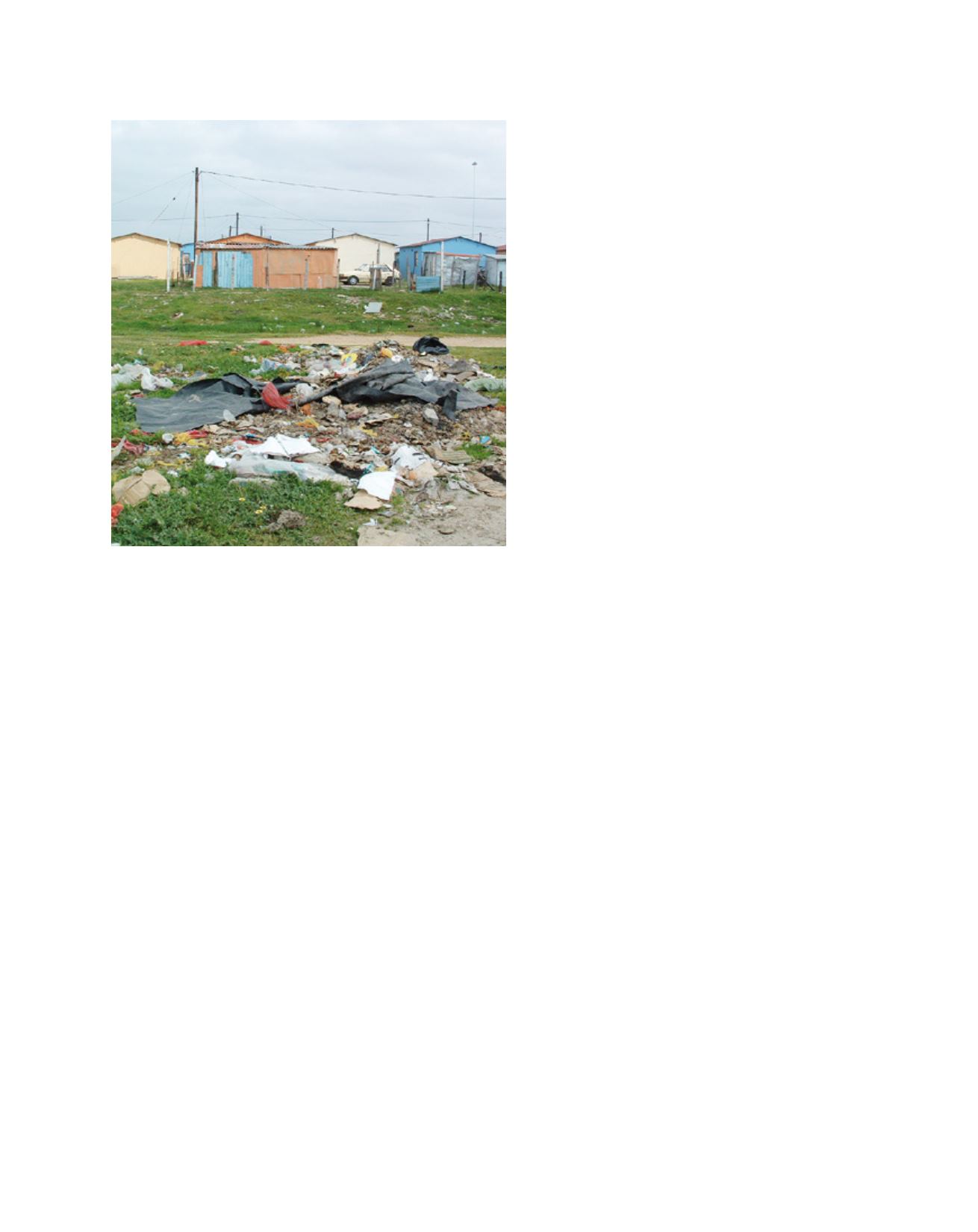
be changed. The children in the South African school could have
been supported to ask questions such as:
• Why is waste created?
• Who is creating the waste?
• How can this be changed?
• What do we do if we are the ones creating the waste?
These are complex questions that force teachers and learners alike
to examine ethics and values, why things are done the way they are,
and most importantly, how practices can be changed.
Transformative learning also involves meaningful participation, in
which teachers are willing to listen to learners and to other stake-
holders, and to engage in dialogue. In the Botswana story, once the
teachers were prepared to listen to the children, the lessons became
more relevant to the children, the children were no longer just
following instructions, but they were helping to develop solutions.
Transformative learning also involves giving adequate
attention to language and culture in learning. The
beekeeper training failed because the materials were
not accessible to the learners, except via the facilitators’
mediation, and because the facilitator had not taken the
time to understand cultural practices associated with
bees, before the training.
Transformative learning also involves engaging with
complex tensions and difficult obstacles in the learn-
ing process, such as the problem experienced in the
beekeeper training. Engaging with dissonance is an
important feature of transformative learning.
Educational researchers, like the three referred to
in the stories above, are working with teachers and
learners to understand how transformative learning for
a sustainable world can be strengthened. In Europe,
researchers have been developing what they call an
‘action competence’ approach to support transforma-
tive learning.
6
In this approach, children are involved
in asking ‘why’ questions, in formulating new visions
of how things can be done differently, and in trying
these out. In Latin America, researchers and teachers
are focusing on the participation of children in envi-
ronmental management practices in their communities.
This work suggests that children need to be listened to,
and be given the opportunity to develop solutions to
problems, with support of adults.
7
In southern Africa,
researchers and teachers are developing approaches
to transformative learning that are culturally situated.
Teachers are being encouraged to start their lessons
with ‘local story’ as this helps to bridge the gap between
existing knowledge, practices and cultural experi-
ence, and new knowledge and practices.
8
In Canada,
methods are being developed to support teachers and
learners to engage in critically examining and discuss-
ing the values and ethics embedded in their practices.
9
In the Netherlands, ESD researchers are developing
approaches to transformative social learning that focus
on engaging dissonance and diversity in the learning
process.
10
This work, taking place across the planet, is
encouraging, but more teachers, researchers and learn-
ers need to get involved.
While we are always learning something, it may not
be transformative, and even if the intention is to learn
about a more sustainable world, this does not neces-
sarily result in transformative learning. Supporting
approaches to learning that are transformative is a
central focus of ESD, which would not exist without
an interest in transformative learning. However, as the
stories above suggest, transformative learning is not
just about the topic being studied. It is the way that
teachers teach that matters. Teachers need to focus on
the ‘why’ question, encourage dialogue, engage learn-
ers in complex ethical discussions about what could be
done differently, and consider language and culture in
how they situate the lessons. They need to be prepared
to engage with dissonance, and seek out solutions to
issues and develop new, changed practices with learn-
ers. Only then can transformative learning result.
Waste in and around schools
Image: Kate Davies