


 12 / 210

[
] 10
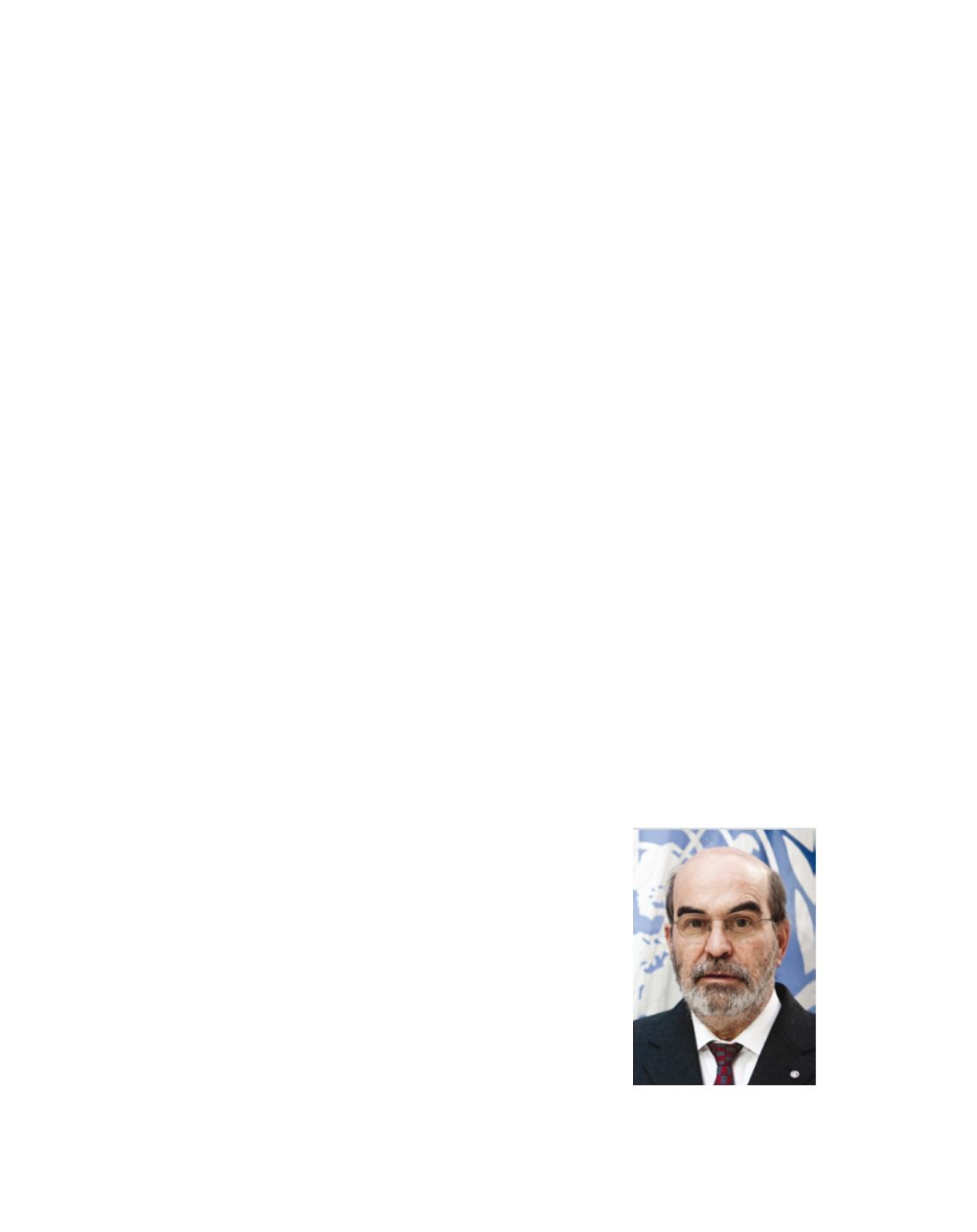
JOSÉ GRAZIANO DA SILVA, DIRECTOR-GENERAL, FAO
The 20th Anniversary of the International Year of the Family in 2014 offers the opportunity to bring to the
fore the central role families play in development. But it goes beyond simple recognition by also allowing
us to give a strong response to the challenges faced by families. As basic units of societies, families are
vehicles for mitigating and overcoming social and economic challenges. They are very important actors in
addressing a number of key global challenges, including the achievement of food security and sustainable
food systems. However, they need support and an adequate policy environment to be able to fulfil their
contribution to development.
The vital role of families is particularly evident in rural areas, where agriculture accounts for the majority
of livelihood opportunities. With estimates pointing to more than 500 million family farms in the world,
family farming is the predominant form of agriculture in developed and developing countries and family
farmers are key actors for food security. Despite the demonstrated importance of families in agriculture, they
face significant challenges, including an exodus of youth from the sector, a gender gap in terms of access to
productive resources and work opportunities throughout the food chain, and difficulty in accessing services
and markets. The issues addressed by the 20th Anniversary of the International Family – to confront
family poverty, ensure work-family balance, and advance social integration and intergenerational solidarity
– are essential for helping family farmers meet the challenges they face. With the necessary support, they
can quickly achieve their productive potential and increase food availability, and thus contribute towards
decreasing poverty and strengthening family units and communities.
The 20th Anniversary of the International Year of the Family coincides with the International Year of Family
Farming (IYFF). The United Nations chose 2014 as the IYFF in order to recognize and bolster the central
role family farmers play in improving food security and promoting sustainability. Family farmers used to be
considered part of the problem. Instead, they have an important role to play in ensuring a more sustainable
future in which the right to food is a reality for every person. They are part of the solution to the world’s
problems of food insecurity. As the agency tasked with leading the implementation of the IYFF on behalf of
the United Nations, FAO is in charge moving this shared vision forward.
The joint celebration of the International Year of Family Farming and the 20th Anniversary of the
International Year of the Family offers a unique opportunity to capitalize on our shared ambitions: to foster
an effective and supportive policy environment that can fully engage the potential of family farmers. This
publication,
Family Futures
, explores the important role of families in development in greater depth, with the
aim of highlighting the best practices in policy making and programmes to achieve our common goals.
José Graziano da Silva
Director-General, FAO