


 5 / 156

[
]5
Introduction: “Vision without action is but a daydream,
but action without vision is a nightmare” – A global framework
for reducing risk of disasters . . . . . . . . . . . . . . . . . . . . . . . . . . . . . . . . . .8
Sálvano Briceño, Director, Secretariat of the
International Strategy for Disaster Reduction
Capacity building and education for disaster reduction:
UNESCO approaches . . . . . . . . . . . . . . . . . . . . . . . . . . . . . . . . . . . . . .11
Badaoui Rouhban, Chief, Section for Disaster Reduction, Natural Sciences
Sector, United Nations Educational, Scientific and Cultural Organization
Environmental factors in building risk-resilient communities . . . . . . . . .14
Glenn Dolcemascolo, PhD, Technical Adviser, United Nations Environment
Programme Division of Environmental Policy Implementation/Disaster
Management Branch
Bringing disaster risk into development thinking: how often do we
need to be shaken before we are stirred? . . . . . . . . . . . . . . . . . . . . . . . .17
Ajay Chhibber and Ronald Parker, World Bank
Subregional strategies for preventing and managing disaster-related
food crisis . . . . . . . . . . . . . . . . . . . . . . . . . . . . . . . . . . . . . . . . . . . . . . .20
Abdoulaye Niang, Jean Luc Mastaki and Meheret H/Selassie, UN Economic
Commission for Africa
Risk reduction and mitigation in the aftermath of Hurricane Ivan:
a year and a half after the OECS/ECLAC damage assessment . . . . . . . . .24
Esteban Pérez Caldentey, UN Economic Commission for
Latin America and the Caribbean
Dynamic hazard mapping for food security: examples from
sub-Saharan Africa . . . . . . . . . . . . . . . . . . . . . . . . . . . . . . . . . . . . . . . . .26
Henri Josserand, UN Food and Agriculture Organization
NATO’s growing humanitarian role . . . . . . . . . . . . . . . . . . . . . . . . . . . .28
Maurits Jochems, Deputy Assistant Secretary General, Operations Division, NATO
Natural catastrophes: are increasing intensity and
costs a long-term trend? . . . . . . . . . . . . . . . . . . . . . . . . . . . . . . . . . . . . .31
Ernst Rauch, Head of Department Windstorm/Weather/Climate Risks,
Munich Reinsurance Company
Property insurance in the post-Katrina world . . . . . . . . . . . . . . . . . . . . .33
Geoffrey Bromley, Chairman, Europe and Asia, Guy Carpenter
Taking risk off the backs of the poor: Afat Vimo disaster insurance . . . .36
Mihir R. Bhatt with Mehul Pandya and Tommy Reynolds,
All India Disaster Mitigation Institute
Microinsurance for natural disaster risks?
Insights from a ProVention/IIASA research initiative . . . . . . . . . . . . . . . .41
Reinhard Mechler, Joanne Linnerooth-Bayer, International Institute
of Applied Systems Analysis, David Peppiatt, ProVention
Top of the class! Governments can reduce the risks
of disasters through schools . . . . . . . . . . . . . . . . . . . . . . . . . . . . . . . . . .43
Yasmin McDonnell and Jack Campbell,
International Emergencies and Conflict Team, ActionAid
Disaster reduction in schools . . . . . . . . . . . . . . . . . . . . . . . . . . . . . . . . .46
Manu Gupta and Anshu Sharma, Sustainable Environment and
Eco Development Society
The radio at school: transmitting knowledge and awareness
for mitigation of natural risks . . . . . . . . . . . . . . . . . . . . . . . . . . . . . . . . .49
María Alejandra del Campo, Psychologist, Argentina
Disaster management graduate training:
a contribution towards risk reduction in SADC . . . . . . . . . . . . . . . . . . .51
A.J. Jordaan, Director, Disaster Risk Management Training and Education
Centre for Africa, University of the Free State, South Africa
Institutional policy: a concept for integral risk management . . . . . . . . .53
Walter J. Ammann, Swiss Federal Research Institute WSL
Contents
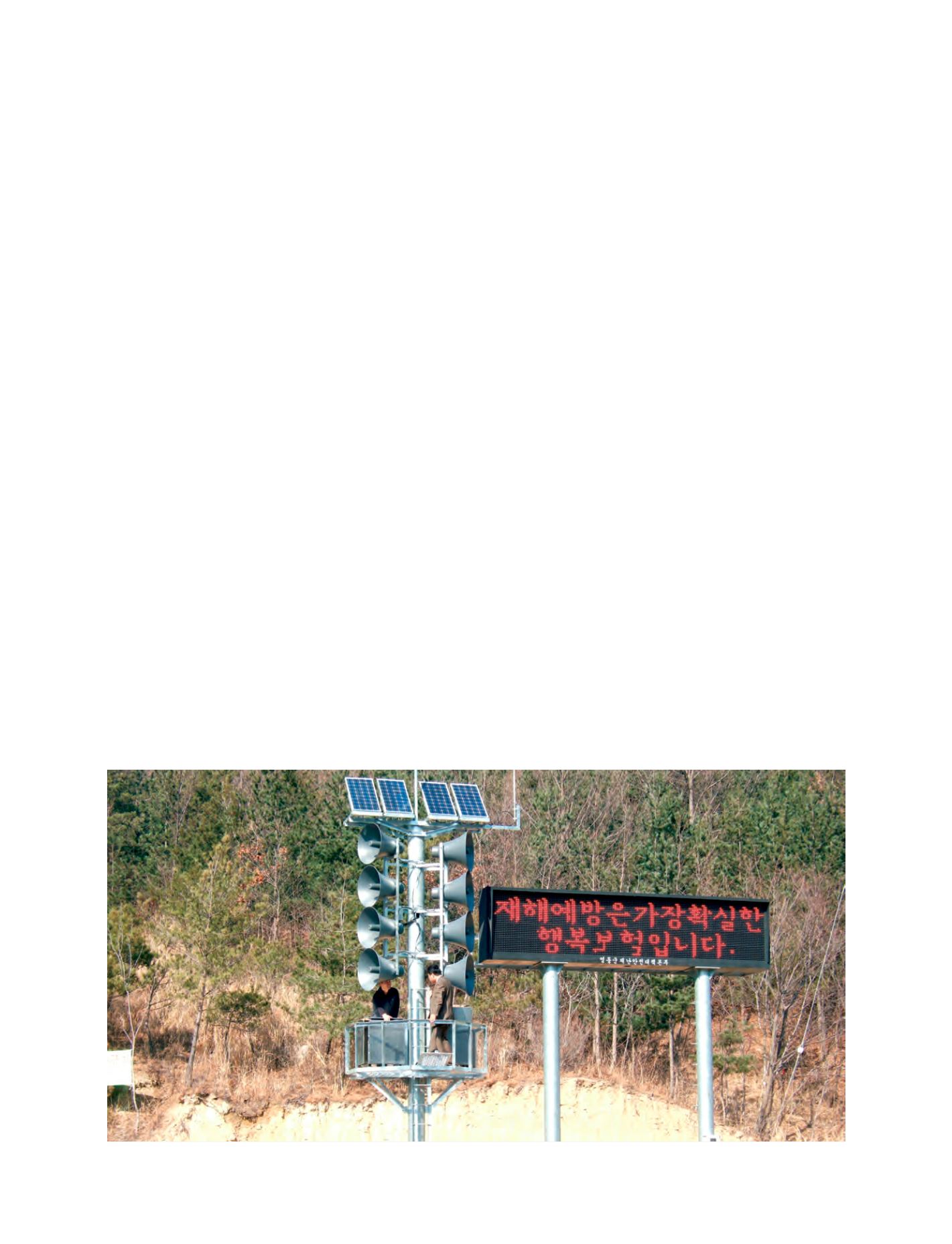
Photo: NEMA