


 11 / 168

[
] 11
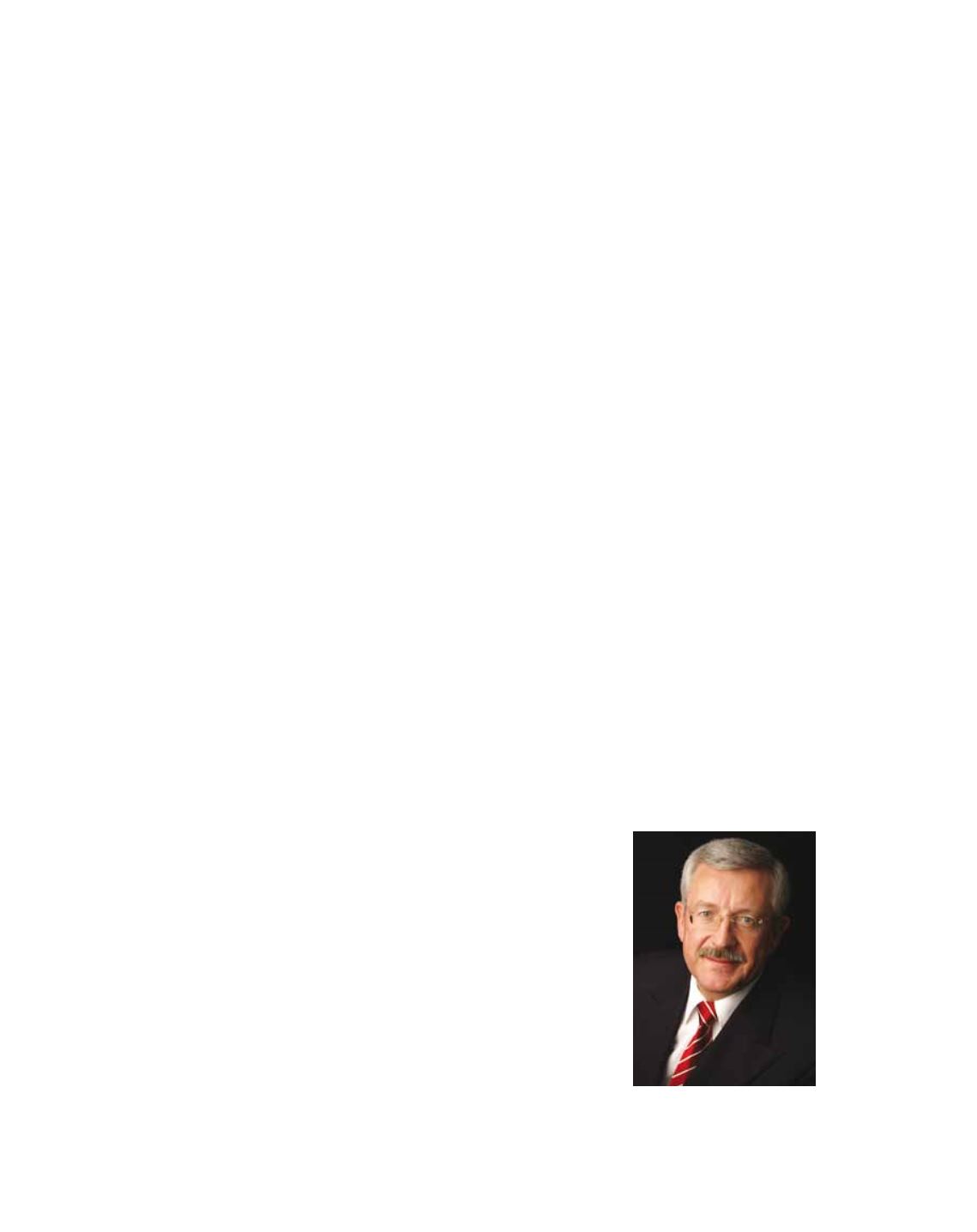
AMBASSADOR MARTIN DAHINDEN, DIRECTOR-GENERAL,
SWISS AGENCY FOR DEVELOPMENT AND COOPERATION
Today half of the world’s population is under threat from the forces of nature – one fifth of the earth’s surface is
regularly affected by earthquakes, volcanic eruptions, floods, drought, landslides and storms. There are indications
that such events are increasingly frequent. Moreover, the effects of climate change are becoming evident.
The negative impacts of such natural events affect increasing numbers of people: 6.9 billion people live
on our planet today and, according to UN estimates, this number will have grown to over 9 billion by 2050.
Poor and densely populated countries are particularly vulnerable to the forces of nature. Existing structures
can barely cope with minor events and are completely overwhelmed during major disasters. Thus life-saving
and environment-sensitive measures such as prevention and mitigation of existing risks, preparation for
possible disasters and adaptation to a changing risk environment must assume a prominent position in
comprehensive development programmes in the affected countries.
Prevention and preparedness pay off, although the direct benefit is often not immediately visible. Investments
in better expertise in the areas of risk and crisis management, greater awareness among the population and the
protection of life, livelihoods and assets are beneficial in the long run. It is thereby important to understand that
for comprehensive Disaster Risk Reduction it is not sufficient to address the issue either by humanitarian aid or
development cooperation, but that Disaster Risk Reduction needs to be strongly anchored in both fields.
Enabling countries to attain a higher level of safety is a primary aim of the Swiss Agency for Development
and Cooperation (SDC). As a logical consequence of emergency assistance, disaster prevention and
preparedness constitute an explicit mandate for humanitarian aid provided by the Swiss Confederation.
These measures allow us to assist affected populations, save lives, alleviate suffering and protect the most
vulnerable victims. The SDC is committed to promoting and supporting sustainable development, which
helps communities withstand the forces of nature and enhances climate change adaptation.
The SDC assessed the effectiveness of its DRR commitments in 2010. The assessment provides
information about the resources invested by Switzerland for the reduction of risks from natural hazards,
the areas in which these investments were made and the results that have been achieved. Cost-benefit
estimations of assessed programs revealed reduced risks 4-7 times higher than initial investments. The
focus on DRR is not new: Switzerland has been involved in related activities abroad since the early 1980s.
It is a highly complex, long-term undertaking that demands constant advocacy and the broad-based
involvement of numerous actors. The strong involvement of national, local and international partners is
indispensable to the success of DRR projects and programmes.
Local and multilateral partners have a major stake in the positive outcome of DRR activities. I would like
to express my profound gratitude to all our partners for their commitment and contribution to the smooth
functioning of our relationships and to thank them for their ongoing work.
Ambassador Martin Dahinden
Director-General
Swiss Agency for Development and Cooperation
2040a