


 12 / 168


[
] 12
IRINA BOKOVA, DIRECTOR-GENERAL OF UNESCO
The first decade of the 21st century has been hit hard by natural disasters. Earthquakes in Haiti, Chile, New
Zealand and Japan, floods in Pakistan, Benin and Australia, wildfires across several countries – all of these
events have highlighted our rising vulnerability. They have also reminded us of the importance of investing in
disaster reduction and preparedness. This must become a priority for States and the international community.
UNESCO is working in this direction by strengthening the capacities of State institutions and supporting
local communities in developing risk reduction measures. We develop and bolster institutions and
networks at the regional and international levels to monitor natural hazards and mitigate their impact.
Our Intergovernmental Oceanographic Commission plays an especially important role here. We promote
education for sustainable development as part of longer-term risk reduction and adaptation. We act also
after disaster has struck – for instance, to support recovery in Haiti and Pakistan.
Working at the interface of education, science, the social sciences, culture and communication, UNESCO
seeks to build a global culture of disaster preparedness and mitigation. The Hyogo Framework for Action
2005-2015 is our core platform, as is the United Nations Decade of Education for Sustainable Development
2005-2014, which UNESCO is coordinating.
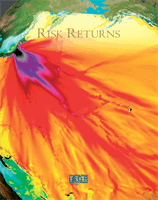
Risk Returns
is an excellent initiative that will contribute to reinforcing the priorities underlined in the
Hyogo Framework.
Irina Bokova
Director-General of UNESCO
2030a
Image: © UNESCO/Michael Ravassard