


 10 / 196

[
]8
Disasters are not ‘natural’ unchangeable facts of life, but are a result of human vulnerability to natural hazards. The way that we
build, organize and manage our communities and environment can make the difference between a disaster, and just bad weather.
We need to expand our thinking beyond the ‘ambulance at the bottom of the cliff’ approach to disasters. To save lives when
hazards first strike, and to protect hard-won development gains from being wiped out, decision-makers at all levels need to bring
disaster risk reduction into the mainstream of their work. This requires a shift in mindset when it comes to disasters – from
fatalism to empowerment, beyond response and towards prevention.
No country or individual, rich or poor, is immune from natural hazards. No country is as prepared as it could be to protect its
citizens from the growing threat, and most citizens of the world are not well equipped with disaster risk reduction knowledge for
their own personal safety. Disaster risk reduction needs to be a part of everyday decision-making: from how we educate our
children, to how we sow our fields, to how we plan our cities. Each decision and action can either make us more vulnerable or
more resilient to disasters. Building a culture of safety and resilience must become a broad-based movement so that everyone
becomes aware of ways to reduce disaster risk.
With these thoughts, I welcome the publication of this book and the work of the International Disaster and Risk Conference,
for building momentum worldwide on disaster risk reduction. More collaborative efforts such as these are vital, as we work
together towards a world without needless losses from disaster.
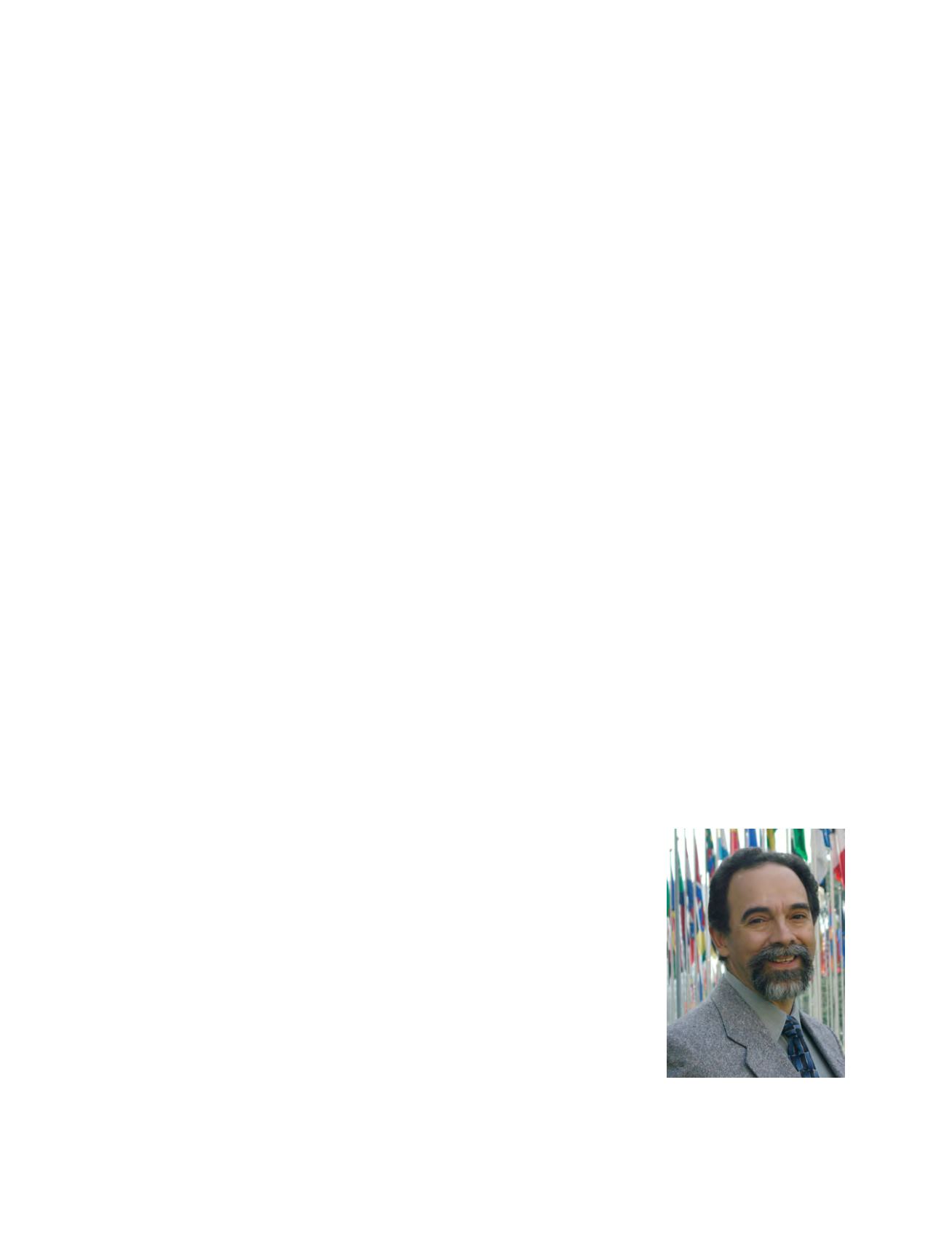
Sálvano Briceño
Director, Secretariat of the International Strategy for Disaster Reduction
STATEMENT FROM SALVANO BRICENO
DIRECTOR, SECRETARIAT OF THE INTERNATIONAL STRATEGY FOR DISASTER REDUCTION