


 11 / 196

[
]9
Natural disasters are on the rise. Ever larger populations are at risk, mostly in the developing countries. Vulnerability is growing
because of unsustainable development. Humankind is facing an increasing burden of risk, largely because of lack of preventive action
and because of decisions about development that are sometimes inappropriately taken at the local, national and international levels.
Women and children are the most vulnerable and bear the heaviest burden of disasters’ impact. Disaster reduction therefore is an
important part of the United Nations’ Millennium Development Goals for abating poverty.
While disaster relief captures the imagination of the public, disaster prevention often ranks relatively low on public agendas. Relief
and rehabilitation constitute the primary form of disaster risk management and account for most of spending on disaster-related
activities annually, leaving a very low balance for prevention.
Communities will always have to face natural hazards. But hazards become disasters only when lives are lost and livelihoods swept
away. Despite the rising frequency and severity of the catastrophes that strike humankind, it is becoming increasingly possible to
prevent and mitigate the effects of disaster. Of all the global environment issues, natural hazards are in some ways the most
manageable. The risks are readily identified. Effective mitigation measures are available. And the benefits of vulnerability reduction
greatly exceed the costs.
Over the last four decades, scientific knowledge about natural hazards and the technological means of confronting them has
expanded greatly. We must and can through science promote a better understanding of natural disasters: where, when and how they
might occur, and what their intensity may be. We must and can continue to improve early warning systems and utilize
communication technologies more effectively for the dissemination of alerts about impending disasters. We must and can promote
and enforce sound engineering and construction principles. And we must and can be ever more vigilant about the protection of land,
natural resources and cultural heritage.
This is no time for gentle reminders about the necessity to pay attention to the risks of disasters; it is time for a loud alarm-call
that summons an adequate response, a response empowered by a firm political will. There is now an urgent need to address this
issue in a determined and sustainable manner, involving all stakeholders and, most importantly, local governments and
communities, households and investors. Mainstreaming disaster risk reduction at the national level and prioritizing risk management
in national policies and strategies is a starting point to accelerate progress. Strengthened international partnerships, using the United
Nations and other international entities will help bring together the diversity of skills and resources from all nations.
To mitigate the risks stemming from natural hazards such as earthquakes, tsunamis, hurricanes, floods, windstorms, landslides,
volcanic eruptions, droughts and wildfires, those at risk must be informed of dangers and the protective measures available, and well
versed in the skills of prevention and resilience. We need to educate people – in particular young people – about disasters and their
far-reaching implications for the way we live. In this way, a culture of prevention will gradually be put in place. In this way, there
would be fewer deaths, fewer injuries and less destruction when such disasters strike.
Disaster reduction emphasizes the crucial role of human thought and action in minimizing risk. The specific realm of UNESCO is
to assert the value of the human mind in addressing global issues including vulnerability to hazards and disasters. UNESCO
welcomes this publication and is proud to be associated with it.
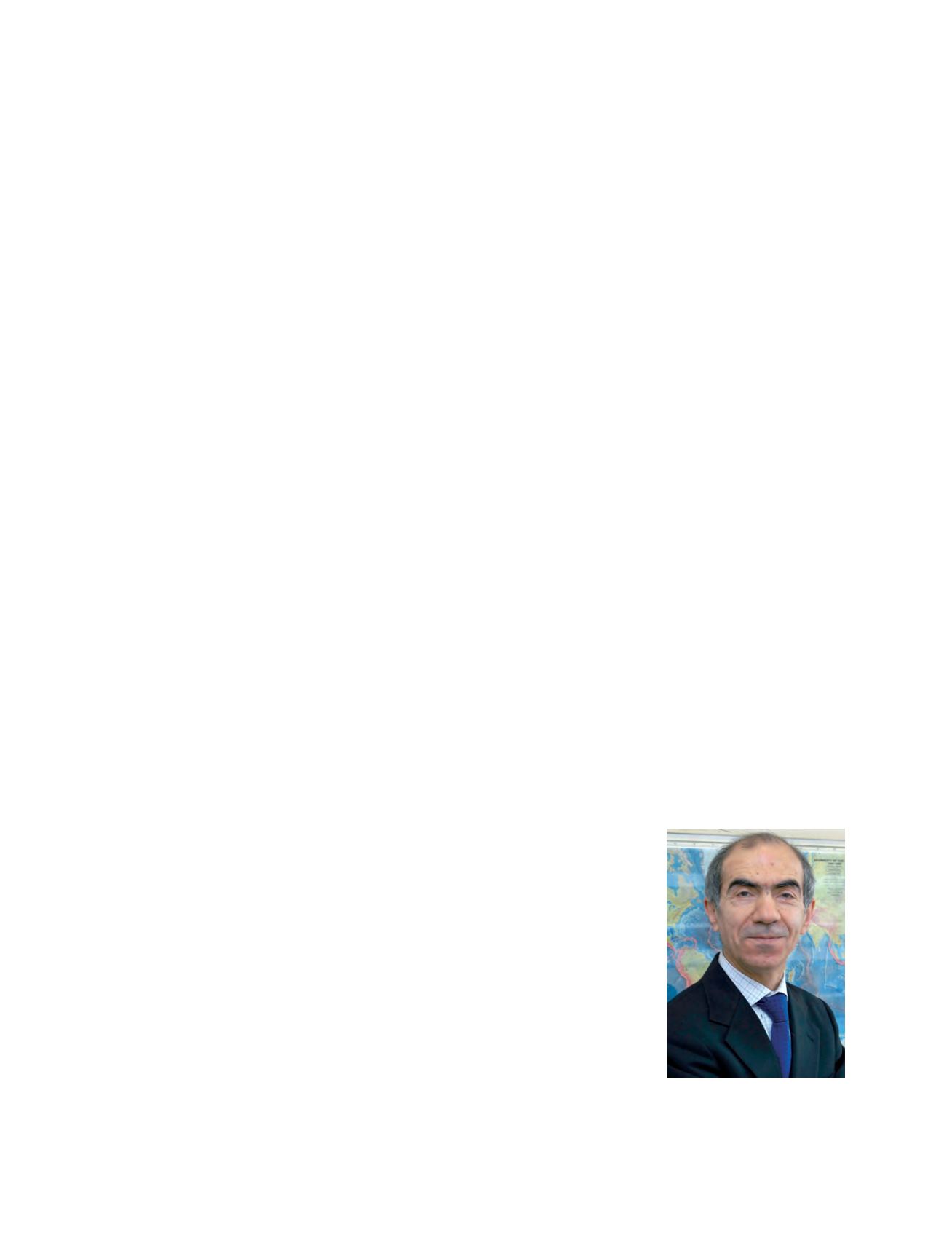
Badaoui Rouhban
Director, Section for Disaster Reduction, UNESCO
STATEMENT FROM BADAOUI ROUHBAN,
DIRECTOR, SECTION FOR DISASTER REDUCTION, UNESCO, PARIS