


 14 / 196

[
] 12
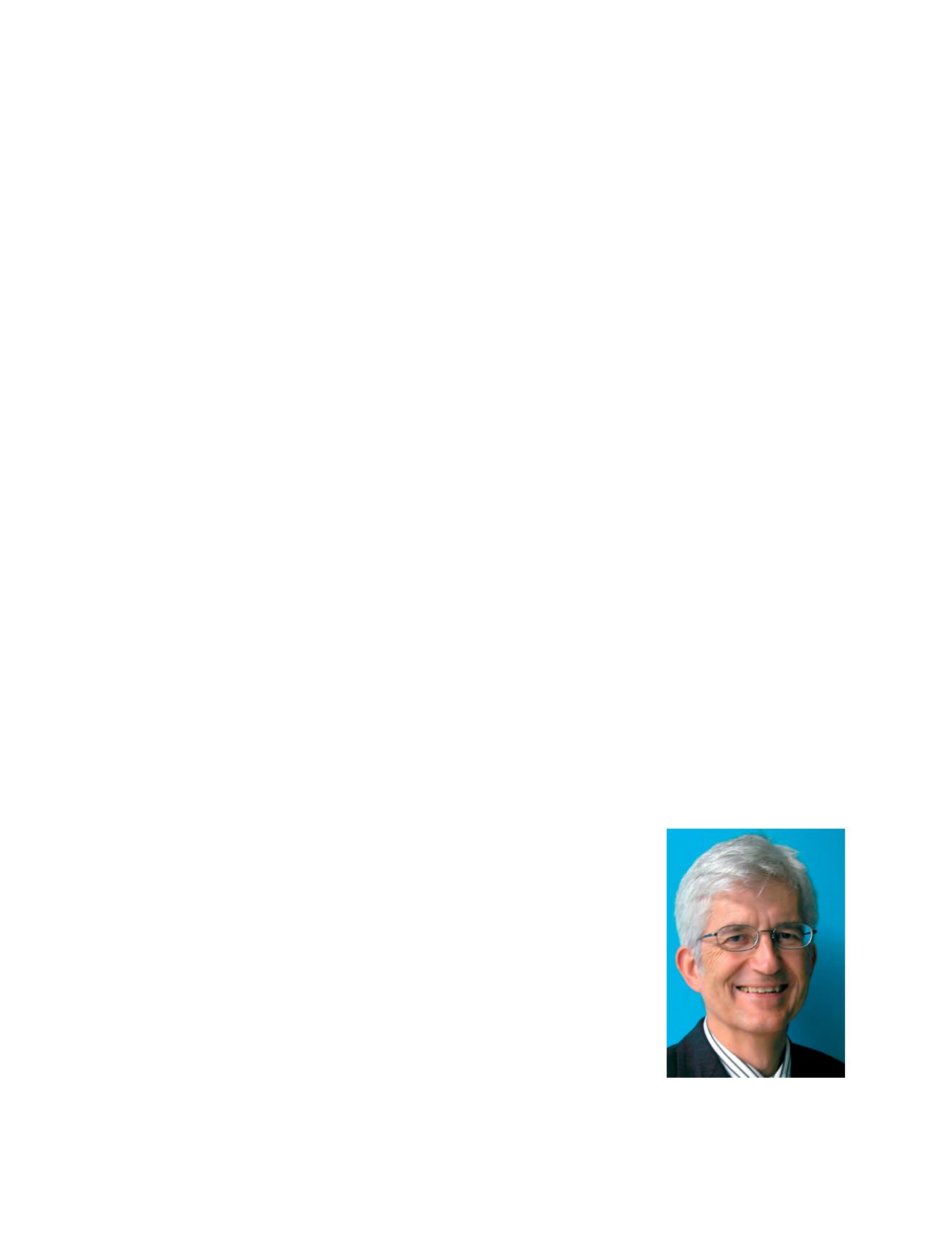
STATEMENT FROM WALTER J. AMMANN,
CHAIRMAN, IDRC DAVOS 2008 AND PRESIDENT, GLOBAL RISK FORUM (GRF) DAVOS
“Knowledge becomes more valuable if it is applied” Confucius (551-479 BCE)
Over the last decade it has become increasingly likely that various hazards will have catastrophic consequences. Emerging trends from
disaster and risk management confirm that the world is more complex, less certain and more interdependent than ever before. The
contributing factors for an increase in damages and victims include planet Earth’s growing population, in hazard-prone areas in
particular and especially along coastlines, rivers and in urban areas. It is a sad fact that the poorest part of humankind is especially
exposed to risk, since they have little or no choice about where to live.
Additional factors for emerging risks include the constantly increasing values of buildings and infrastructures, rising volumes of traffic,
rising demands on mobility, logistics, and communication, changes in how people earn their living and spend their leisure time, the ever
more complex economic interdependencies that come with globalization, and many more. Climate change will aggravate this complex
situation.
Reducing these risks poses a serious challenge to civil society. The World Conference for Disaster Risk Reduction, organized by
UN/ISDR in Kobe, Japan in January 2005 after the tsunami catastrophe, culminated in the Hyogo Framework for Action (HFA). This
brought consensus that to achieve risk-resilient, sustainable societies, the management of unexpected events such as natural hazards,
pandemics and diseases, man-made hazards, terrorism or environmental migration needs to be approached in an integrated way. To
cope with global risks, new frameworks, principles and strategies, mechanisms and methods must be found, and the outcomes
validated.
A global collaborative risk reduction management process becomes increasingly important as the risk landscape gains in complexity
and interdependency. Joint and multidisciplinary efforts are necessary, with a close link to the necessary climate change adaptation
efforts. A proactive, risk-based pre-disaster prevention instead of a purely hazard related, reactive post-disaster recovery management
approach is key for the future.
To create the necessary political will in global, regional and national terms, scientists, experts and practitioners from government,
business, civil society and non-governmental organizations must interact with key players from ministries and disaster management
and development authorities, with a strong emphasis on implementation both at a strategic and operational level, particularly in the
‘last mile’.
In line with the HFA, the UN Millennium Development Goals and the principles of the UNESCO-led Decade of Education for
Sustainable Development, GRF Davos will contribute to such integration efforts by addressing a broad range of risks and threats including
natural hazards, technical, biological and chemical risks, climate change, pandemics and terrorism, to promote a consistent and
systematic risk management approach, serve as a bridge and strengthen links between practice, science, policy and decision-making in the
search for sustainable solutions to the complex risks facing society today.
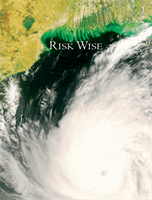
Risk Wise
will certainly contribute to bridging problems and
their root causes, and linking governance and science to the technology perspectives of problem solving by adding the lessons and new
knowledge gained from recent complex disasters. Together, we can reduce disasters and risks, and in so doing, help save countless lives.
Walter J. Ammann
Chairman, IDRC Davos 2008 and President, GRF Davos