


 10 / 218

[
] 10
A series of high-profile disasters – the 2004 Indian Ocean tsunami, the Atlantic hurricane season, the South
Asian earthquake and East African drought in 2005 – underscored the importance of how better cooperation
between government authorities and international and scientific organizations would have played a critical
role in helping people make life changing decisions about where and how they live before the disaster strikes,
especially in high-risk urban areas. Without taking into consideration the urgent need to reduce risk and
vulnerability, the world simply cannot hope to move forward in its quest for reducing poverty and ensuring
sustainable development.
The
Hyogo Framework for Action 2005-2015: Building the Resilience of Nations and Communities to Disasters
,
adopted at the World Conference on Disaster Reduction (Kobe, Japan, 18-22 January 2005), represents the
most comprehensive policy guidance in universal understanding of disasters induced by vulnerability to
natural hazards, and reflects a solid commitment to the implementation of an effective disaster reduction
agenda. By working together in building a strong ISDR system as envisaged in the Hyogo Framework, we can
effectively reduce risk and vulnerabilities, and build our resilience to disasters that affect us all.
The role of National Meteorological and Hydrological Services (NMHS) in national platforms for disasters
risk reduction – a main element of the Hyogo Framework – is essential. The ultimate objective of a natural
hazard warning is not only to issue it on time, but also to make sure it reaches people, allowing for lives and
assets to be saved and for minimal disruption to their livelihoods. In this sense, the contribution of NMHS to
the understanding of natural hazards, their impact and human and social vulnerability is a key component of
risk management. The study and utilization of the Hyogo Framework must become a basic task for NMHS
and the regular dialogue with relevant national and local stakeholders a common practice in carrying out
their functions.
I welcome the partnership between WMO and Tudor Rose and the timely initiative in commissioning this
publication,
Elements for Life
. The publication can certainly become an important tool to increase
understanding and knowledge of individuals and organizations involved in meteorological and hydrological
services and disaster risk management to develop team efforts to reduce risk and vulnerability.
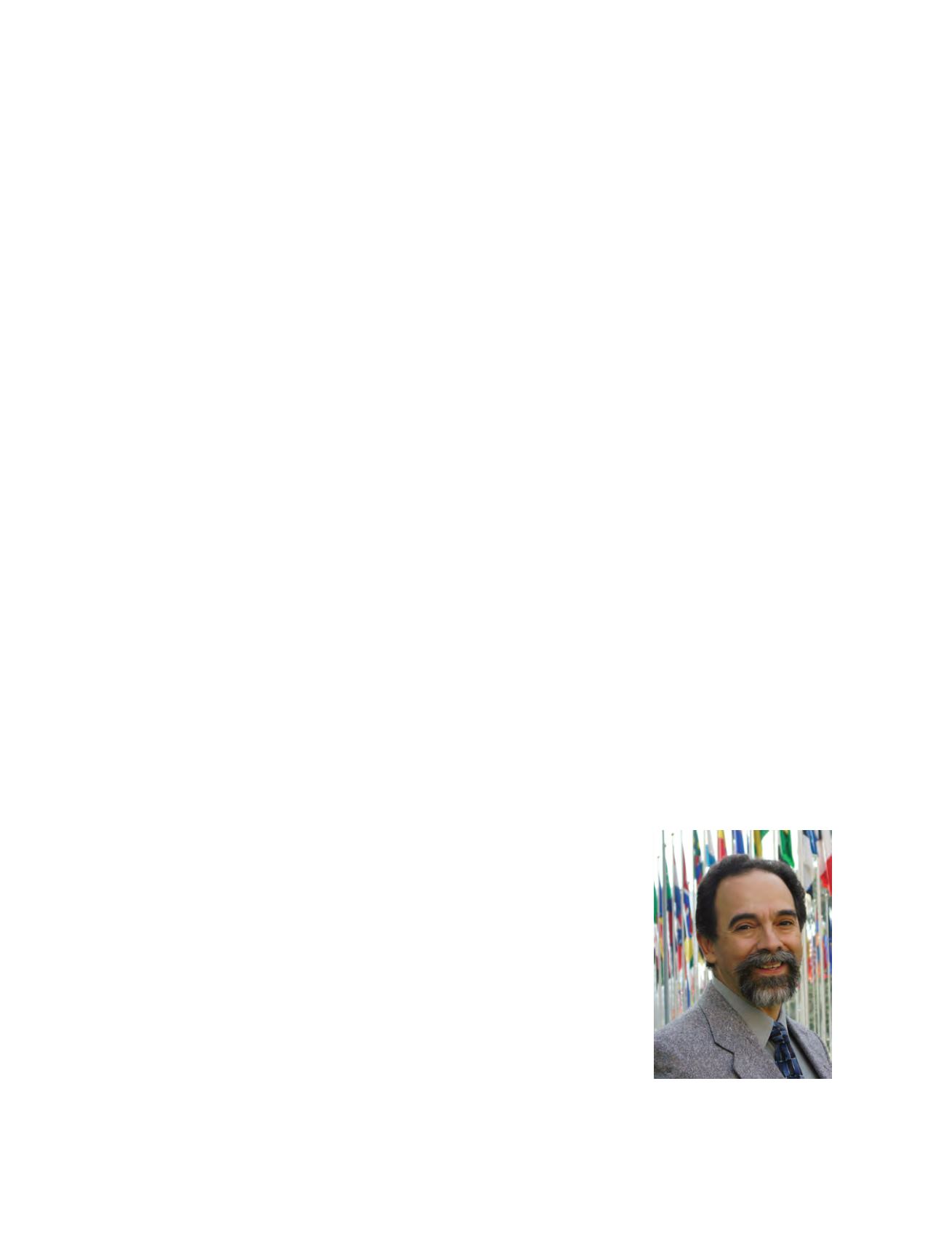
Sálvano Briceño
Director, Secretariat of the International
Strategy for Disaster Reduction (UN/ISDR)
STATEMENT FROM SÁLVANO BRICEÑO, DIRECTOR
SECRETARIAT OF THE INTERNATIONAL STRATEGY FOR DISASTER REDUCTION
´