


 58 / 210

[
] 56
A
dvancing
S
ocial
I
ntegration
and
I
ntergenerational
S
olidarity
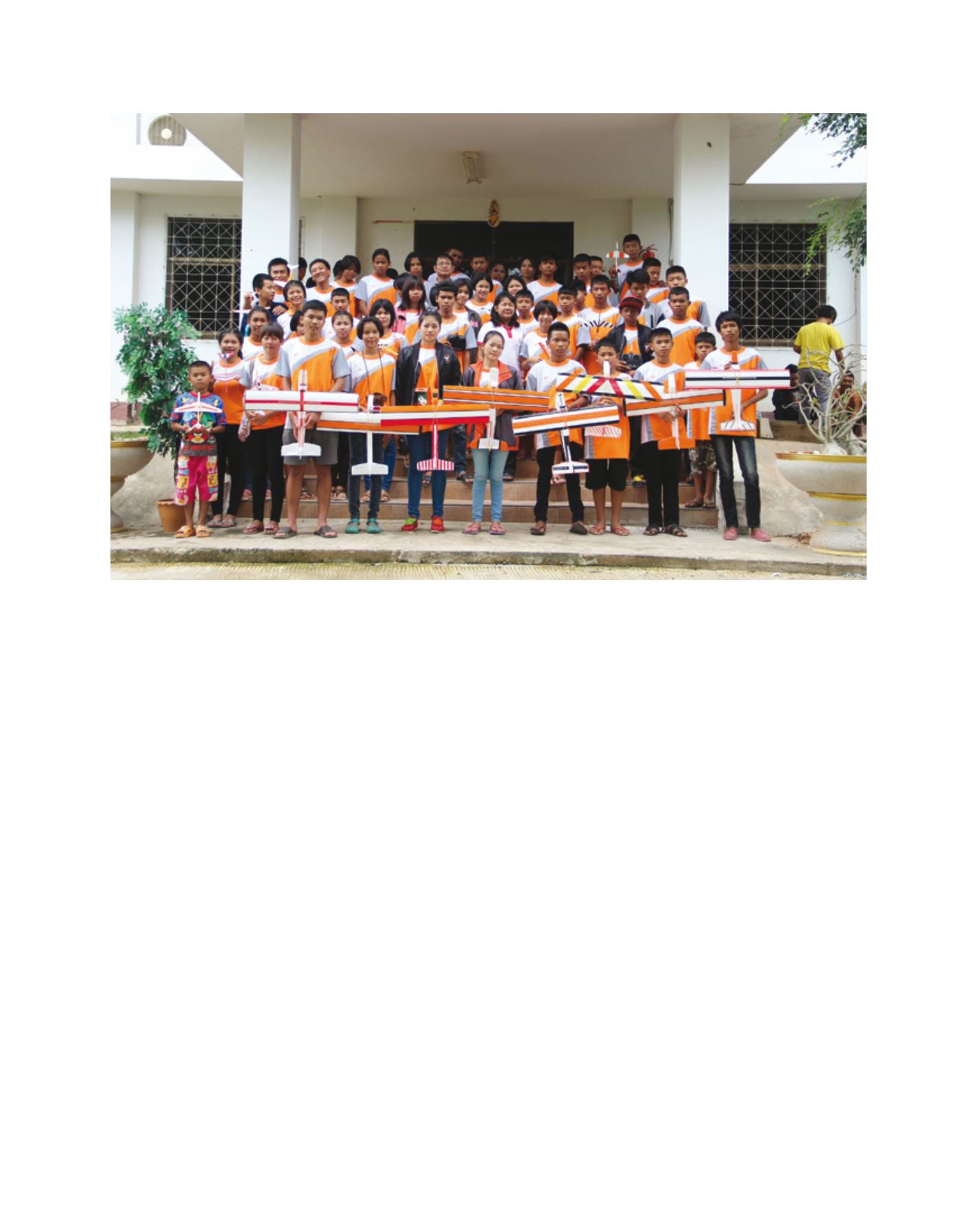
Image: CCFD
CCFD is a key unit in developing and implementing projects and activities that are designed to strengthen families and transform the behaviour of target groups
Center (OSCC). In particular, the new initiative system ‘OSCC
in 24hr’ is the provision service for ‘prompt rescue’ for people
facing four social crisis troubles: unwanted pregnancy, human
trafficking, exploitation of child labour, and violence against
children/women/elderly and those with disabilities. The OSCC
Social Rescue Center has been established to fulfill the above task
through the cooperation and integration of all concerned agen-
cies. Under the centre, mobilized and co-hosted by the Ministry,
people are able to access one-stop service once they seek help.
To meet the achievement of reinforced cooperation through
online database and alarm systems, the Government has pushed
the OSCC into concrete action under a memorandum of under-
standing signed by concerned ministries and non-governmental
organizations, including the Ministry of Interior, under which
are local administrative organizations. They have functioned as
the help desk of Frontline 1 and the CCFD has worked as their
co-partner. In implementing this strategy, the CCFD has helped
its local administrative organization to receive and record notifi-
cation of cases, provided primary rescue through local networks,
and reported cases online to the responsible agencies as Frontline
2 for further actions. The OSCC system in the local community
is expected to meet people’s need and render reinforcement of
the empowered family.
Challenges and recommendations
Using local mechanisms as a key to strengthening the family is
an endeavour that demands continuous development. Future
progress depends on several contributing factors and faces a
number of challenges.
It is a priority to enhance the political will of decision
makers at all levels in local administrative organizations
which are the co-partners of the CCFD, in response to
the related family development linking to MDGs and the
Association of Southeast Asian Nations (ASEAN) Economic
Community framework. We must also promote appro-
priate attitudes among policymakers and those working
in the family field, including the CCFD working group.
This means, for example, linking to gender perspectives
in order to prevent gender bias in project design and
activities. Capacity building of the CCFD working group
must be encouraged. This should include practical skills
and exchanged experience based on the development of
the OSCC system and other related fields, especially the
survey and analysis of local databases, design for project
proposals, family counselling and other skills in a social
and legal context. Further, there is a need to motivate the
integration of work to be carried out by the CCFD and
provincial government through concrete cooperation.
CCFD best practices should be extended to other new
local networks. To prepare for fruitful participation in
the ASEAN Economic Community in 2015, it is necessary
to create an ASEAN network in community family devel-
opment, to exchange lessons learned and best practices.
Finally, formulated policy and strategy on the empower-
ment of family members should be transferred to local
administrative organizations through the CCFD, so that
family members can access development in all stages of
their lives.