


 81 / 85

[
] 81
Academic Sinica, was organized to assist the Taiwan CDC Influenza
Center.
Taiwan CDC has provided service contracts to Taiwan Institutes
for analyzing the antigenic and genetic characteristics of influenza
strains circulating in Taiwan for identifying the potential vaccine
strains. The Taiwan CDC Influenza Center has been upgraded, and
has developed efficient surveillance systems in data management
and information documentation for the rapid identification of novel
influenza viruses and unusual clusters of respiratory infections in
humans. The surveillance systems currently provide easy access to
raw data on flu viruses circulating in Taiwan, and biostatistical analy-
sis for virus strain recommendation.
Taiwan CDC has initiated collaboration with WHO flu virus
reference laboratories (in particular US CDC, Japan National
Institute for Infectious Disease (NIID) and Hong Kong flu lab) by
exchanging epidemiological data on influenza obtained from
Taiwan regions.
A virus seed laboratory has been established to isolate, select and
prepare master virus seeds for vaccine strains. To facilitate analyz-
ing the antigenic and genetic characteristics of influenza strains
circulating in Taiwan, CDC Influenza Center currently produces
flu virus strain-specific ferret polyclonal antibodies. In addition,
the flu centre has established a P3 research laboratory to produce
pandemic flu virus mutations using reverse genetic reassortant
technology.
In summary, the achievement of the Epidemiology team can be
highlighted as follows. The surveillance team analyzed circulating
seasonal flu viruses of the past three years (2004-2007)
in order to:
• Identify and use regional circulating low reactor
seasonal flu virus strains to prepare ferret antibodies
as reference reagents
• Predict and suggest virus strains to the WHO
vaccine strain selection committee
• Poor children reacting to virus strains most likely
to be circulating infectious virus in the coming
season
• Current information (2007) indicates one of the
vaccine strains recommended by WHO would not
match the coming seasonal flu virus
• S.R. Shih and fellow authors indicated that the
Asian strains circulated at least 18-24 months
ahead of selected EU or US vaccine strains
1
• C.A. Russell and fellow authors found that if the
trends observed during this period could be
used to forecast each year based on the
surveillance within E-SE Asia, this would enable
consequent improvements to vaccine strain
selection.
During this period, the Mass Immunization, Serology
and Vaccine Strain Production team used seasonal flu
immunization as a practice to establish mass immu-
nization protocols:
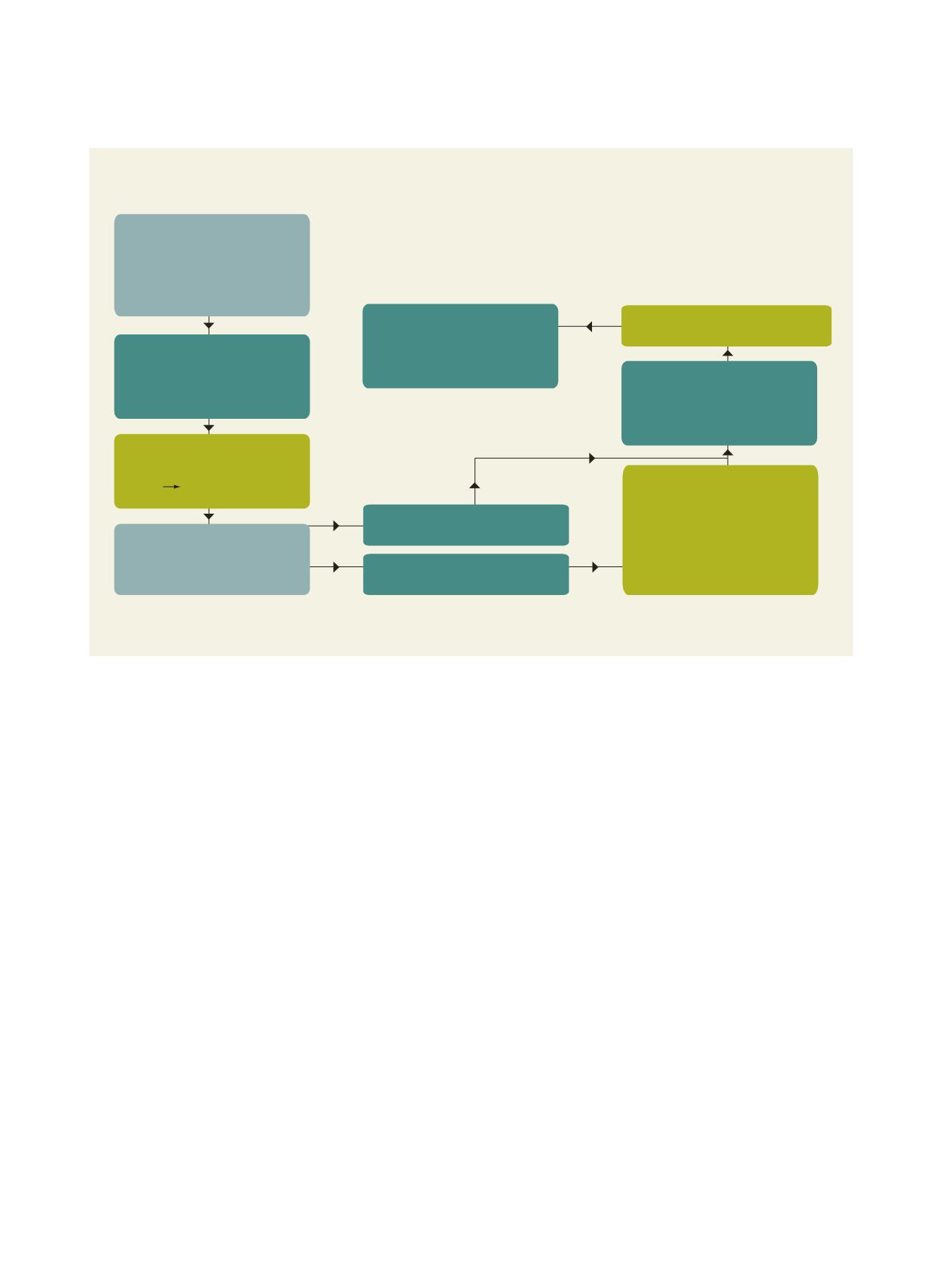
Strategy for H5N1 vaccine development
1. Wild Virus
• Isolation
• Characterization
• Chicken pathogenicity test
• Sequencing (HA and NA)
2. Removal of chicken
pathogenicity
• Replacement of polybasic
AA from HA
8. Pre-clinical studies
• Dose
• Adjuvants
• Number of doses
9. Vaccine strain selection
3. Plasmid development
• Wild virus HA/NA
• PR8 6 other genes
7. Testing
• Pathogenicity/safety
• Chicken/Ferrets
• Genetic stability
• Validation
• Antigenic
• Sequencing
4. Virus rescue
• Validated mammalian
cell lines
6. Standardizing reagents
10. Vaccine licensing/
registration
Vaccine production
5. Egg passage
Source: Taiwan CDC and NHRI