


 181 / 210

[
] 179
E
nsuring
W
ork
-F
amily
B
alance
Image: 123RF
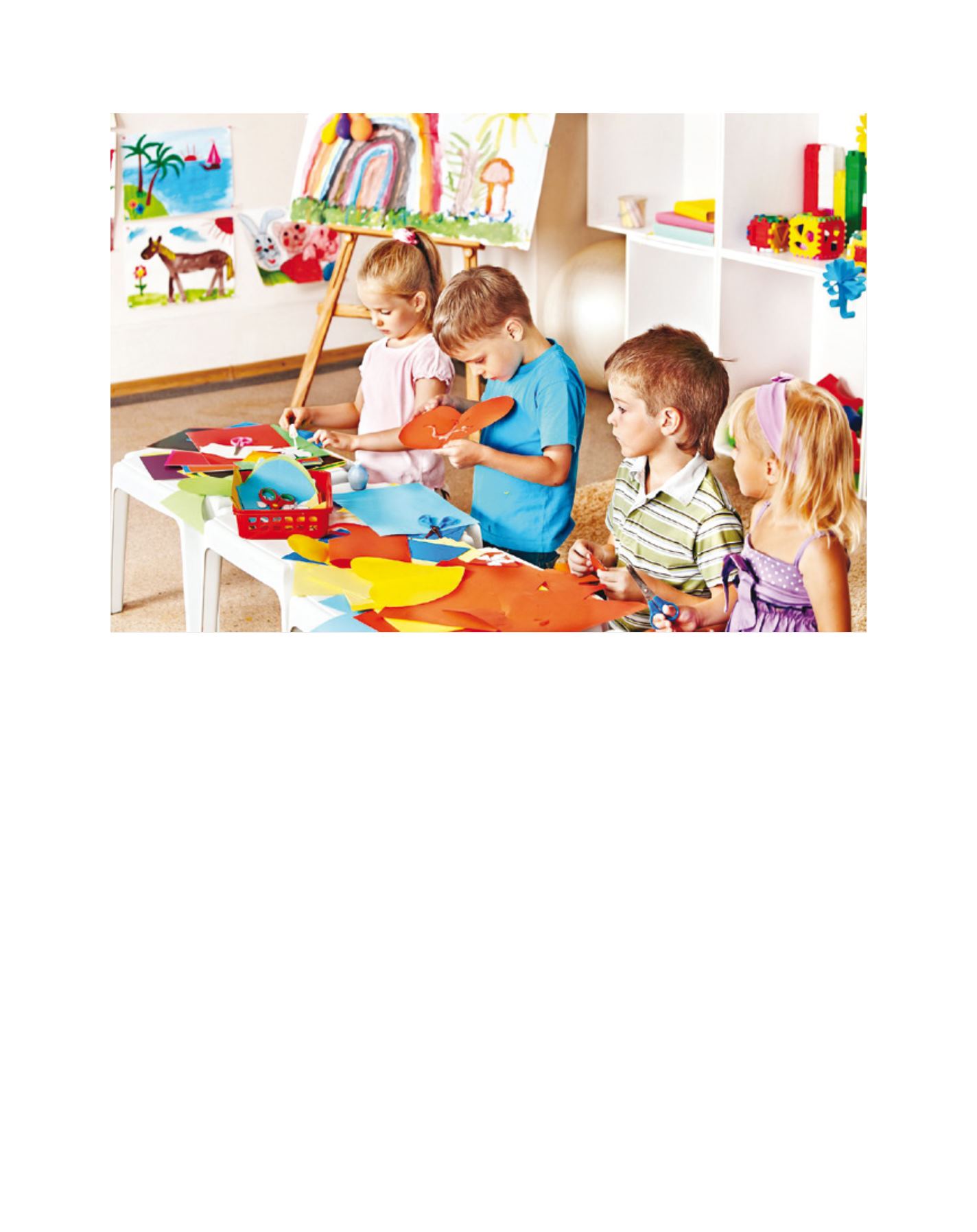
Slovenia has a high inclusion of children in kindergartens, and the number has been constantly rising
Adopter’s leave is intended for one or both adoptive parents
in order for them and the child to fully bond immediately after
the adoption. Adopter’s leave lasts up to 120 days (if the child
is from one to four years old when adopted) and up to 150
days (if the child is 4-10 years old when adopted). In 2014,
the rights of adoptive parents will be equal to the rights of
biological parents, which means that adoptive parents will be
entitled to all the rights to which only biological parents have
been entitled so far.
Absence from work due to the birth of a child is approx-
imately 12 months; in certain cases, it may be longer (for
example if the mother has twins, in the case of premature
birth, or if a child needs special care). Parents are entitled to
parental benefits for the period of their absence from work,
which is a labour right, and amounts to 90 per cent of the base
(if the base is lower than the minimum wage, the benefit is
100 per cent). This means that unemployed parents are not
entitled to the benefit and receive only a minimum benefit or
parental allowance.
To balance work and family, government measures
related to the working environment regarding the time after
parents return to work are extremely important. Legislation
ensures the preservation of jobs, particularly for mothers
during parental leave, and job security is provided by the
right to return to the labour market following childbirth.
In addition, legislation anticipates better opportunities for
flexible working hours, which is realized by enabling one of
the parents who cares for the child until the age of three to
work part-time. If a parent cares for two children, this right
is extended until the younger child is six years old or until
the age of 18 for a child who is physically handicapped or
moderately or severely mentally handicapped. The number
of people who take the opportunity to work part-time has
been growing in Slovenia.
Another important measure for the work-family balance
is the opportunity to work at home. Parents are thus quite
autonomous in organizing the time available and balancing it
with family obligations.
In conclusion, we can say that Slovenia has a relatively
well-developed family policy in terms of the work-family
balance. This is also confirmed by the fact that the employ-
ment of women, which is already above the European
average, also remains high among mothers. However, it
must be emphasized that while opportunities for men and
women in the labour market have drawn closer, the tradi-
tional division of work within families regarding household
chores, caring for family members and so on, can still be
observed in Slovenia, which results in women bearing a
double burden. In future, we intend to develop and encour-
age the principle of equal opportunities to a greater extent,
which is crucial for the successful management of policies
for the work-family balance.