


 31 / 210

[
] 29
A
dvancing
S
ocial
I
ntegration
and
I
ntergenerational
S
olidarity
Certainly the second generation, having a genuine empathy
for their parents and compassion for the elderly, will be
better positioned to provide the direct care of their own
parents or at least support social policies that best provide
for the ageing.
However, in terms of potential quality care exchanged
between generations as mentioned above, the opposite
is true for families plagued by unresolved conflict. Such
families become fragile and splintered; there is less natural
inclination to care for other generations and the very
substance of what makes us better human beings dries up.
The individual and society bear the consequences of this
painful fragmentation.
The family has a key purpose and therefore deserves
protection and support. The family benefits from a social
recognition of the unique and essential human need and
purpose it is meant to fulfil. Families thrive in cultures
that uphold the value of parents and affirm the virtues that
enhance family relationships such as commitment, personal
responsibility, respect, fidelity, filial piety and empathy.
Just as literacy, health and technology education are neces-
sary for socioeconomic development, society can support
social development through education about healthy rela-
tionships and decision-making, starting with young people
and respecting the parents’ role as the primary educators of
children. Further, for building mutual respect between the
genders, most of us can improve ourselves and our own rela-
tionships by learning skills to constructively assert ourselves
and handle conflict, so as to avoid abuse and increase
genuine understanding and connection.
As we now look to establish the Sustainable Development
Goals, we have to work to empower the family at all levels.
Affirming the family as fundamental in the formation of every
human being and in the intergenerational ties that bind us
to one another is a crucial starting point that was omitted by
the MDGs. Societies that protect and support the unique and
primal purpose of parents and the family will garner more social
stability between generations. This, of course, is an enormous
challenge, but much of this challenge is rooted in the need for
personal improvement in our own lives and families. But there
again if, upon personal reflection, most of us detect a need for
greater genuine human connection and family solidarity, then
it is in this very realization that we understand the significance
of the universal human need for strong family ties.
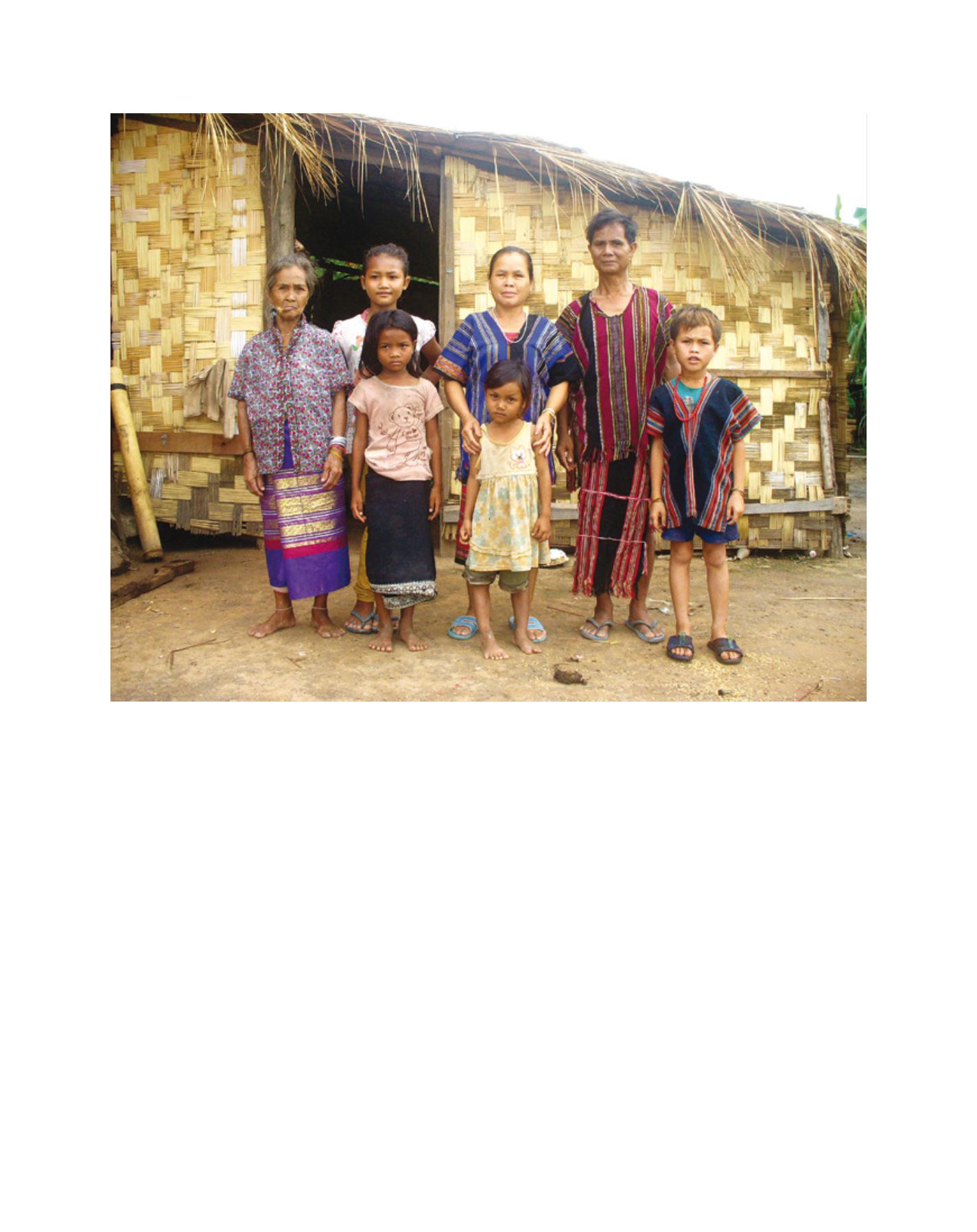
The family is a unique resource of love, guidance, and compassion that must be supported and protected
Image: BigBrotherMouse