



 152 / 208

[
] 152
S
ustainability
P
olicies
, P
rogrammes
and
their
E
conomic
I
mpact
Furthermore, AfDB has gradually reoriented some of its
development funding activities towards addressing sustain-
able development commitments. It has invested in projects and
programmes in the clean energy, transport, water and agricul-
ture sectors, promoting low-carbon development while meeting
development concerns such as universal access to modern
energy services, eradicating poverty, protecting and
enhancing the natural resource base, increasing
agricultural productivity, and promoting inclusive
growth.
AfDB is investing in projects and programmes that
take advantage of the opportunities inherent in the
Investing in ecosystem restoration programmes
Congo Basin Ecosystems Conservation Support Programme,
Cameroon (
€
37 million)
Deforestation and forest degradation constitute the largest source of
CO
2
emissions in Central Africa, accounting for about 90 per cent of
the annual release from the region. The Congo Basin forests contain
an estimated 25-30 billion tons of carbon, or roughly four years of
current global anthropogenic CO
2
emissions. The programme aims
to ensure that people living in the forests can earn sustainable
livelihoods while slowing the rate of deforestation. Protecting an
additional 1 per cent of forests in Central Africa would preserve about
230 million tons of carbon, worth hundreds of millions of dollars in the
carbon markets.
Institutional support to African Climate Institution
Project (
€
23 million)
This multinational project aims to strengthen the capacities of
African regional climate centres to generate and disseminate
climate information to support economic development. The primary
beneficiaries are the regional climate centres, including the African
Centre of Meteorological Application for Development in Niger, the
Climate Prediction and Applications Centre in Kenya and the Drought
Monitoring Centre in Botswana, as well as an estimated population of
480 million people in 25 countries who directly depend on climate-
sensitive sectors in Africa. Local farmers, private sector entities,
community groups, non-governmental organizations and civil society
organizations will be trained in the use of climate information to plan
their livelihood activities. Dissemination channels for the climate
information include policy briefs, specialized training sessions on the
use of the data tailored to the needs of various target groups, use of
community radio, local publications in local languages and seasonal
Regional Climate Outlook Forums. Building awareness through access
to information is essential in sensitizing communities throughout
AfDB’s regional member countries to optimal use of their respective
ecosystems.
Kandadji Ecosystem Restoration and Development of the Niger Valley:
development of a comprehensive development resettlement plan
(
€
46.3 million)
The programme will create a water reservoir of sufficient capacity to
mitigate the degradation of the Niger River ecosystem and ensure
adaptation to drought conditions for the sustainability of socioeconomic
activities in the area. Through the programme, water flows will be
regulated to ensure continuous adequate moisture in the river valley,
resulting in the preservation and restoration of multiple natural habitats,
biodiversity and improved soil fertility. In addition, the water stored
will secure the drinking water supply for the population and offer
opportunities for the progressive expansion of irrigable land in the valley
(122,000 hectares) and hydroelectric generation (629 GWh).
The programme also includes capacity-building and the preservation
and management of existing natural forests and other income-generating
activities. The ecosystem of the Niger River offers significant goods and
services to local communities, and the project preserves the natural
environment while boosting development opportunities.
Watershed Management and Development Project,
Cape Verde (
€
6.9 million)
Cyclic periods of drought and intermittent run-offs from heavy rains are the main
causes of watershed degradation and consequent food deficits and potable
water shortages in Cape Verde. The Watershed Management and Development
Project led to diversification and increased agricultural production through
efficient restoration of the watershed, whose untapped irrigation potential is
about 1,380 hectares or 46 per cent of the national irrigation potential.
The project beneficiaries are the communities living in the watershed
and dependent on the natural resources for their livelihoods. Restoring
the productive capacity of the watershed enables the communities to
continue their agriculture production and to control the flows of water on
slopes to mitigate potential floods. The project is based on a participatory
approach that requires a continuous dialogue with all actors concerned
with the issues of food insecurity in Cape Verde.
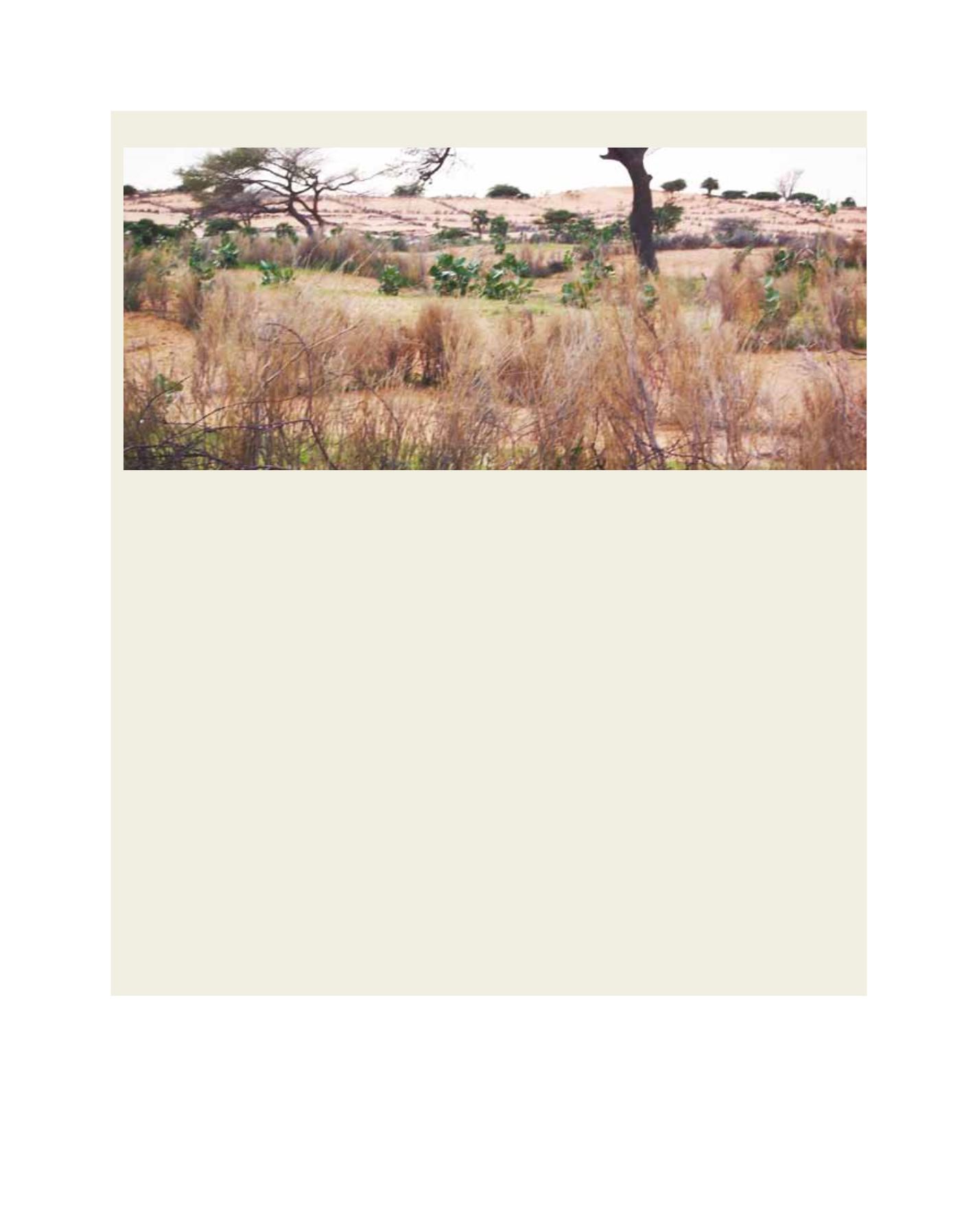
Source: AfDB, Water & Sanitation Department
Image: AfDB