



 162 / 208

[
] 162
S
ustainability
P
olicies
, P
rogrammes
and
their
E
conomic
I
mpact
of natural resources. Regulatory frameworks developed and
managed by local authorities are put in place to avoid overfish-
ing, overhunting and other forms of degradation of natural assets.
When resources are harvested sustainably, most parties benefit
in the long term. Conflicts with regard to long-versus short-term
aspects of the capacity of ecosystems arise, often initiated at
local level, but over time it has become apparent how important
regulations are to ensure sustainability of important economic
resources.
For example, Norway has successfully regulated fishing in order
to build up the cod stock, has established quotas for the number of
moose and other wild animals that may be hunted, and discussions
are currently under way on adjusting the reindeer population to
grazing resources. Concerning environmental resources such as
water and air, Norway has similar guidelines for how much these
can withstand before the quality becomes unacceptable. When it
comes to resources shared with other countries, guidelines are
negotiated and agreed with neighbouring countries to reflect
the transboundary nature of ecosystems, as is the case for long-
distance air pollutants.
Putting a price on resources – and making the polluter pay – is
the key to making progress towards a green sustainable economy.
We introduced green taxes in the early 1990s and
today more than 70 per cent of emissions of green-
house gases are covered by economic instruments
(taxes or quotas).
Oil for development
Renewable energy at home and abroad
Oil and gas hold the promise of becoming vital resources for
economic and social development in a number of countries.
However, in many cases it proves difficult to manage
petroleum resources in a sustainable way. The principle
behind Oil for Development is to share Norway’s experience
and expertise. The scheme aims at assisting developing
countries in their efforts to manage petroleum resources in
a way that generates economic growth, promotes welfare of
the population in general and is environmentally sustainable.
The scheme enhances the focus on environmental issues,
good governance, transparency and anti-corruption. The
objective is not to export a specifically Norwegian model for
sound petroleum resources management, but to cooperate
with developing countries in addressing the challenges within
the individual country.
Renewable energy accounts for more than 60 per cent
of Norway’s total energy use. Norway has been a major
hydropower producer for more than a hundred years, and
today the country is the world’s sixth largest hydropower
producer. Many developing countries have considerable
unrealised potential for hydropower development: for
example, as little as seven per cent of African hydropower
capacity is estimated to have been developed, compared
with 75 per cent in Europe. Norwegian hydropower
companies have built plants in Asia, Africa and South
America. However, since hydropower development often
involves substantial investment and a certain level of risk,
it is usually undertaken within a framework of cooperation
between the authorities in Norway and the host country.
Norway also has expertise and technology to offer in the
areas of wind and solar power.
Image: Statoil
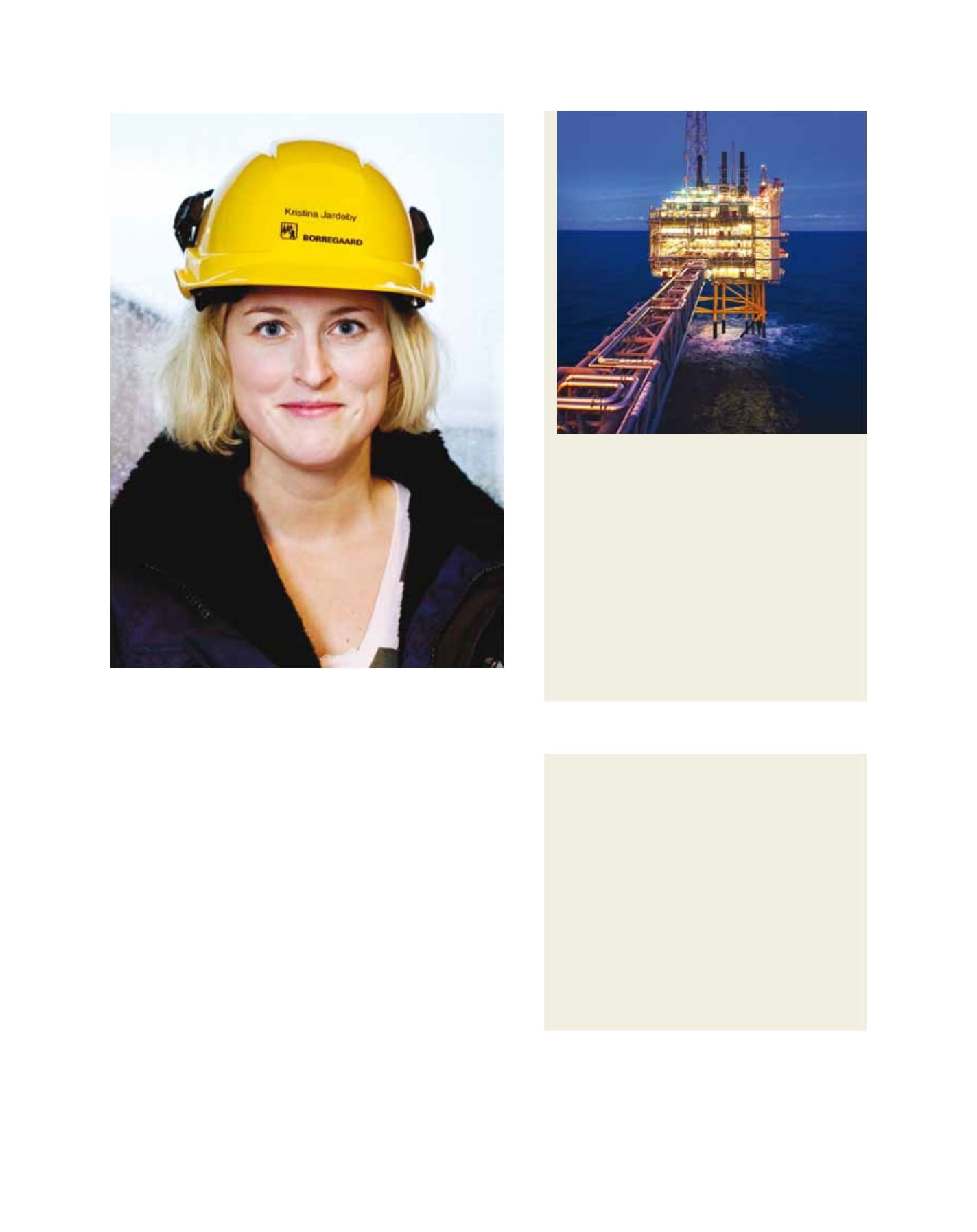
Policies that promote women’s participation in the workforce have contributed to
economic growth and benefited both women and society as a whole
Image: Guri Dahl/tinagent.com