


 104 / 168

[
] 104
Reducing disaster risks
through successful partnerships
Natalie Dale, Maria Tinelli, Sarah Moss and Katherine Nightingale, Christian Aid
W
ork on disaster reduction has greatly advanced since
the 10-year Hyogo Framework for Action (HFA) was
conceived in 2005. But there is still a great need
to strengthen risk reduction efforts. In 2010 the Centre for
Research on the Epidemiology of Disasters recorded 373 natural
disaster events that killed over 296,800 people, affected the lives
of 208 million, and cost nearly US$110 billion.
Christian Aid aims to change the lives of some of the world’s poorest
people by helping them to challenge the major issues which keep them
in poverty. One such issue is disasters, which often affect poor people
disproportionally because of greater vulnerability and exposure to
natural hazards. Taking just one example, 81 per cent of the people
killed by tropical cyclones every year live in low-income countries.
It
should
follow that development work, which
reduces poverty, will also reduce vulnerability, but
unfortunately this is often not the case. The seemingly
common sense of reducing risk is not often included
in many projects or development plans. Christian
Aid believes development gains can be protected and
retained with disaster risk reduction (DRR) involving
relatively low financial inputs in comparison to the
cost of humanitarian response assistance. Even very
poor people can take action to build their resilience
to these hazards.
With this in mind, Christian Aid established the
Building Disaster Resilient Communities (BDRC)
project that for the past five years has been working in
2035
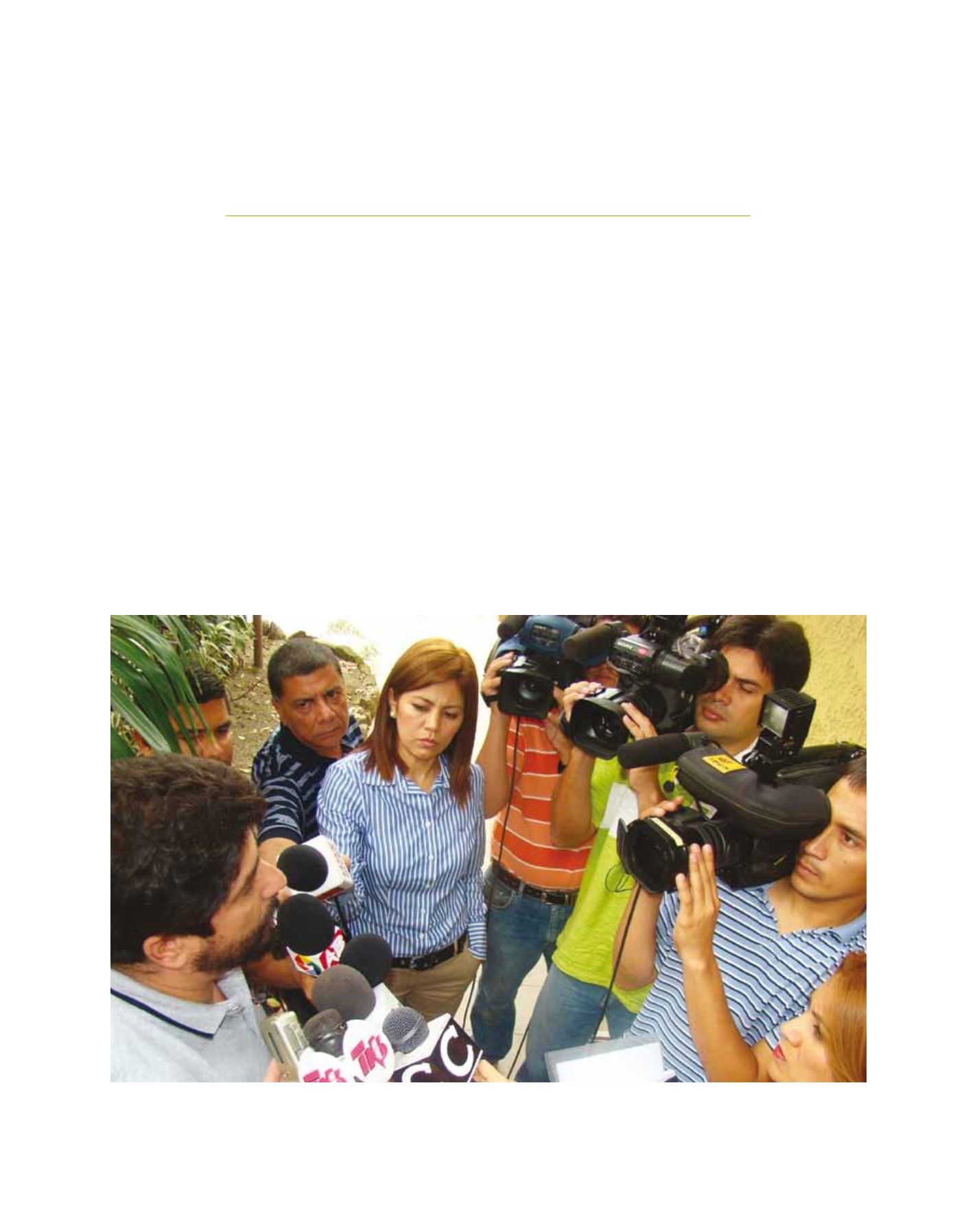
Marco Burgos, Ex COPECO commissioner, during a public forum on accountability for DRR hosted by CAID. Marco Burgos played an important role in promoting
the SINAGER law together with ASONOG through the MRGR (National Risk Management Bodies), the national entity in charge of preparedness and emergency
response, Honduras
Image: ASONOG