


 62 / 85

Under the key principle of protecting the whole population, several
plans should be put into action:
• Use epidemiologically based measures
• Use antivirals for prevention
• Prepare an immunization programme for the whole population.
Realizing these plans also demands a budget. However, it is not easy
to get money for only theoretical threats, where nobody knows the
start time. In order to address this, we calculated the economic
damage if the population was unprotected, comparing this with the
expense of preventative measures.
We found a quotient of 1:10 in the comparison of expenses with
damage, in addition to the enormous pain caused in society if it is
unprotected. The ongoing discussion and political decision then
went according to expectations. All Austrian ministries, and all
regional governments had been involved, and a clear message
emerged: it is not enough to show up your medical preparedness;
cross-sectoral preparedness on health issues must be demonstrated
in all policies.
We are now we are in the second phase of our preparedness plan,
focusing on private industry, where we are trying to raise awareness
and understanding that pandemic protection helps to guarantee
economic survival.
On the regional level, there exists a lot of important planning.
Never before have we tried to vaccinate our population in the short-
est time as possible. But with more than 30,000 physicians preparing
for prevention, this is now realistic.
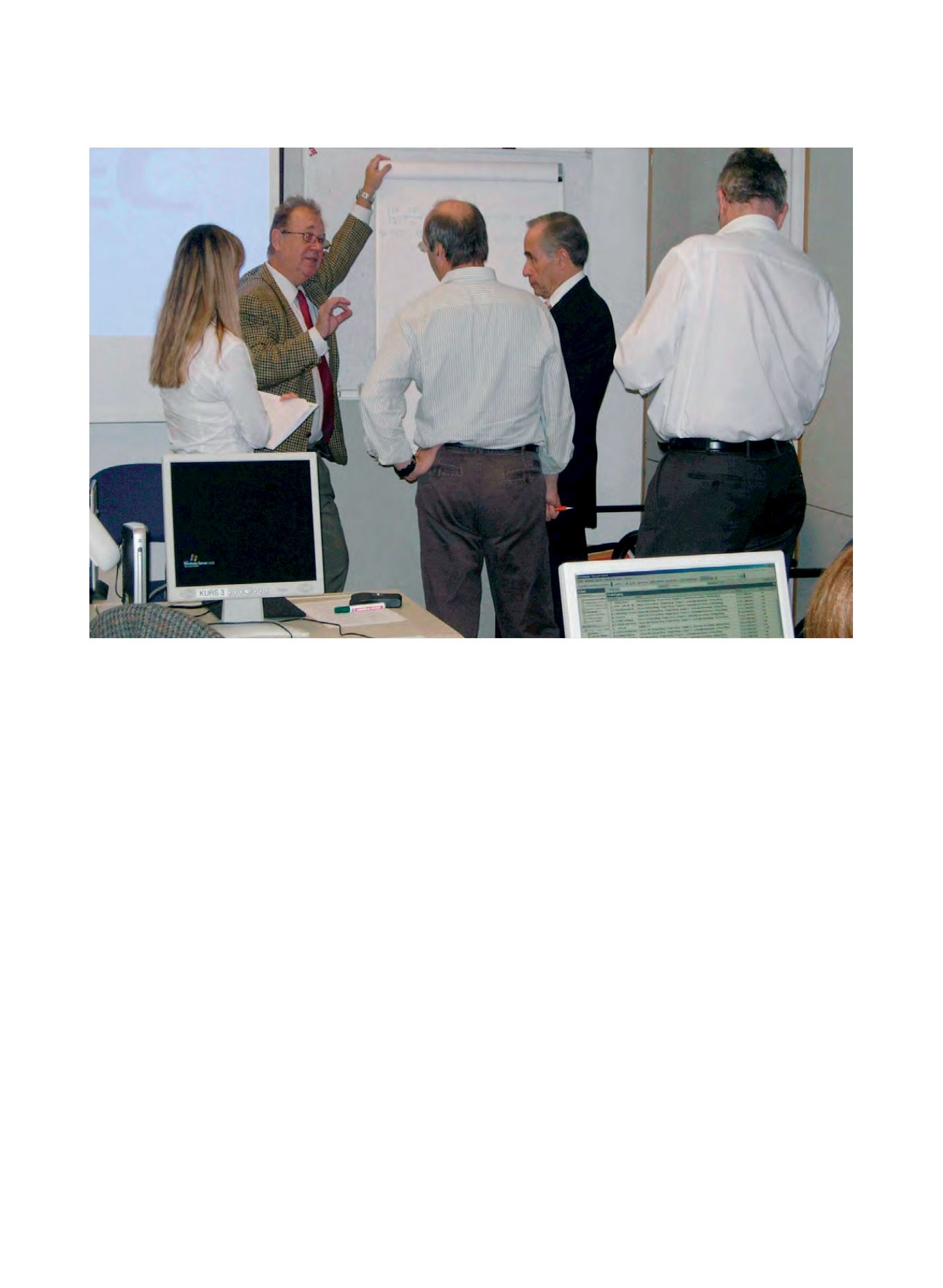
A special need is medical education and training. Our first pandemic
exercise, named ‘Van Swieten’, tested communication as a command
post exercise, and also the quality of our preparedness
plan. The next will be a bilateral exercise with one of our
neighbouring countries.
Because we are now accustomed to the reporting of
new HP-Influenza cases, it is necessary to maintain
readiness, not only in the health field, but also on the
political field.
One evaluation, done by the European Centre for
Disease Prevention and Control, was very successful
but also instructive in generating new ideas and
perspectives.
Conclusion
With regard to the existing possibilities of prevention,
diagnosis and treatment, it is an ethical and moral duty
for each country to prepare for a pandemic. All fields of
federal and regional responsibility should be involved
from the very start, and each nation should have an
epidemic law, and recognize the necessity of using antivi-
rals and a pandemic vaccine. Creating a plan and
investing money in pandemic preparation helps to guar-
antee the prosperity of a nation, ensuring that vital
services and industry can continue in the event of a
pandemic.
It is crucial to understand that success can only be
achieved by involving all three levels of society in
pandemic preparedness: the public, private industry and
the family.
1
[
] 62
It is the ethical and moral duty of every country to prepare for potential pandemic
Image: Min. Health Austria