


 103 / 196

[
] 101
bling block in emergency response operations. Government-to-govern-
ment relationships take time to develop. NGOs are generally small and
do not have the resources of the governments, international NGOs or
intergovernmental organizations. On the other hand, their smallness
allows for greater mobility and adaptability, and their personnel are
usually made up of specialized generalists. Therefore, the solution for
NGOs in a disaster is alliances – alignment and cooperation with like-
minded NGOs that share similar goals and vision. Continuous
engagement during peacetime can only build goodwill, understanding,
cooperation, and lead to easier access and greater efficiency when it
comes to risk reduction before and after a disaster strikes.
NGOs generally have a long and intimate history with various
communities in the country. They are close to and familiar with the
challenges faced on the ground by the communities they serve, as
well as the challenges faced by groups working on the ground. They
have developed working networks within the community and are
familiar with the system of governance in the host country.
Poverty increases vulnerability. Poorer communities are more
vulnerable to natural disasters as they do not have the means to
prepare themselves against them. Mud houses tend to crumble easily
even with lower Richter quakes. The damage to the mud structures,
if it does not cause death by impact, may suffocate the victims
instead. Peacetime development work not only increases the capac-
ity of the local communities, it also enables the implementing
organization to build rapport and goodwill with the local commu-
nities, partners and authorities for future cooperation.
The experiences of Mercy Relief and ADRA in the case studies
above highlighted the importance of existing good work and will
which enabled early and timely response.
Recommendations
In a region where 70 per cent of the natural disasters
take place, NGOs play a crucial role. It is even more
pertinent that a civilian alliance dedicated to humani-
tarian assistance working with both government and
military is built. Asian NGOs have the ability to open
doors and cultivate relations. With the track record of
disasters in Asia, developing working relationships in
the region during peacetime has to take top priority in
any risk reduction strategy. The small steps taken to
develop working relationships will have a big impact on
goals to minimize the risks pre- and post-disaster.
Based on the experiences in Myanmar, Sichuan and
Indonesia, and as part of risk management when a disas-
ter hits, social assets in the form of institutional
interactions and alliances are equally if not more impor-
tant than technological, physical and operational assets
and capabilities. When a disaster hits, the people who
need assistance and the providers of assistance are all
involved. It is crucial that the dialogue and engagement
starts before the disasters hit.
Peacetime community capacity building
Peacetime is when trust and confidence can and should
be built, to ensure that when a disaster strikes there is
greater chance of reducing the suffering and further loss
of lives because timely and necessary assistance can be
accessed and implemented based on the relationships
built. Risk reduction is often seen in physical, techno-
logical, structural and environmental terms. Risk
reduction strategy must also take into account capacity
building, community development and poverty allevia-
tion – all of which is about enabling people to help
themselves, to build their own risk reduction methods.
An example of an informal community building that
worked and saved lives and only came to light after the
tsunami is the people of Simeulue, an island off Sumatra.
1
Humanitarian disaster response
The UN has the Office for Coordination of Humanitarian
Affairs (OCHA) as its coordinating office for information.
Perhaps there is a need for a working office to coordinate
operations for coalitions of NGOs responding directly to
disasters in Asia. Effective coordination will contribute
to more effective and efficient deployment of resources.
The ASEAN Regional Forum (ARF) has included human-
itarian affairs in its mandate, with regular exercises.
Governments hitherto have underestimated or ignored
the possible impact of NGOs in actual delivery of human-
itarian aid in natural disasters. The IFRC’s Code of
Conduct for NGOs in Disaster Relief includes a section on
recommendations to intergovernmental organizations.
2
Mercy Relief is planning for a possible coalition of
NGOs and corporate bodies in Asia, which share
resources and network and have regular engagements
and exercises. It would involve the heads of respective
national disaster preparedness and response agencies.
When the alliance of Asian NGOs crystallizes, the issue
of civil-military coordination requires address.
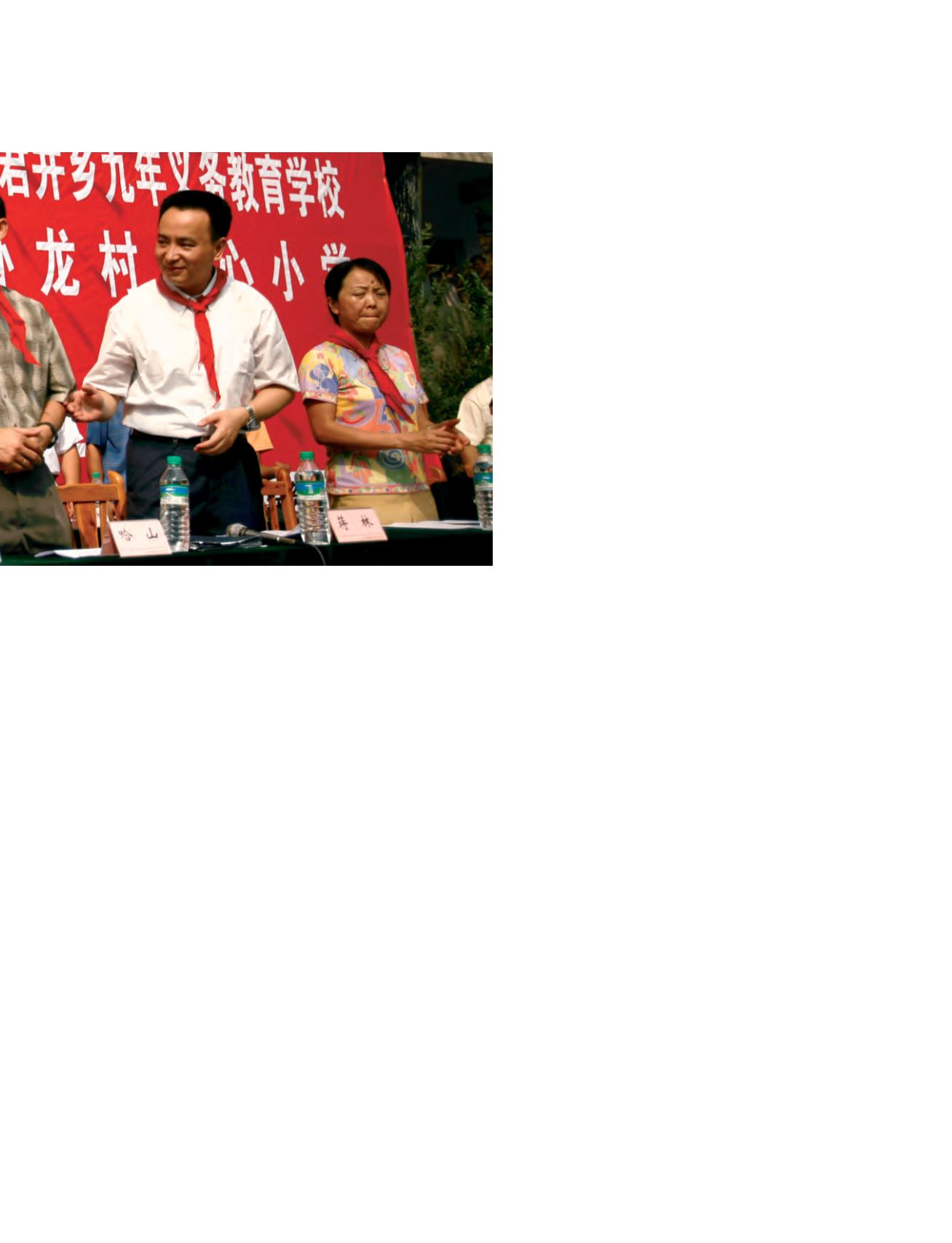
Image: Terence Teo