


 117 / 210

[
] 115
M
ā
ori wh
ā
nau well-being:
addressing child and family poverty
Tracey McIntosh, PhD (T
ū
hoe), Associate Professor in Sociology, University of Auckland;
and Ng
ā
Pae o te M
ā
ramatanga, Indigenous Centre of Research Excellence, New Zealand
C
onfronting
F
amily
P
overty
M
ā
ori (indigenous people of New Zealand) wh
ā
nau
are diverse and dynamic and are the central unit
of M
ā
ori life. While ‘wh
ā
nau’ is usually trans-
lated simply as ‘family’ or ‘extended family’, it is important
to recognize that the term has multiple dimensions. Within
both traditional and contemporary contexts it is seen as
being based on whakapapa (foundations based on descent
and kinship). Whakapapa identifies, acknowledges and
reinforces relationships and informs the way that M
ā
ori
engage and respond to each other. Wh
ā
nau sits within
the structures of hap
ū
(clan, sub-tribe) and iwi (tribe),
and each has the potential to support individuals and the
collective with a reach that can span generations.
It has been noted that a narrow appreciation of family compo-
sition renders invisible the diversity of wh
ā
nau structure and
the richness and depth of family practices and strategies to
cope with contemporary challenges. A recent New Zealand
Families Commission report indicates that, like other New
Zealand families, M
ā
ori wh
ā
nau are changing in response to
shifts in demographic, social and economic patterns. Wh
ā
nau
composition includes two-parent families, single-parent
families, adult-only families and multigenerational families.
Increasingly, M
ā
ori live in urban centres outside of their
traditional tribal area and some M
ā
ori wh
ā
nau live overseas,
particularly in Australia. Statistics New Zealand data shows
that 85 per cent of M
ā
ori live in statistically defined urban
areas, though many of these areas have relatively small popu-
lations. This means that the M
ā
ori urban experience can be
diverse with more M
ā
ori likely to live in minor urban areas
(rather than large cities) than the national distribution. They
are less likely to live in main urban areas where essential
services and jobs are concentrated. The diasporic nature of
contemporary M
ā
ori experience shapes the way that wh
ā
nau
is lived in contemporary New Zealand.
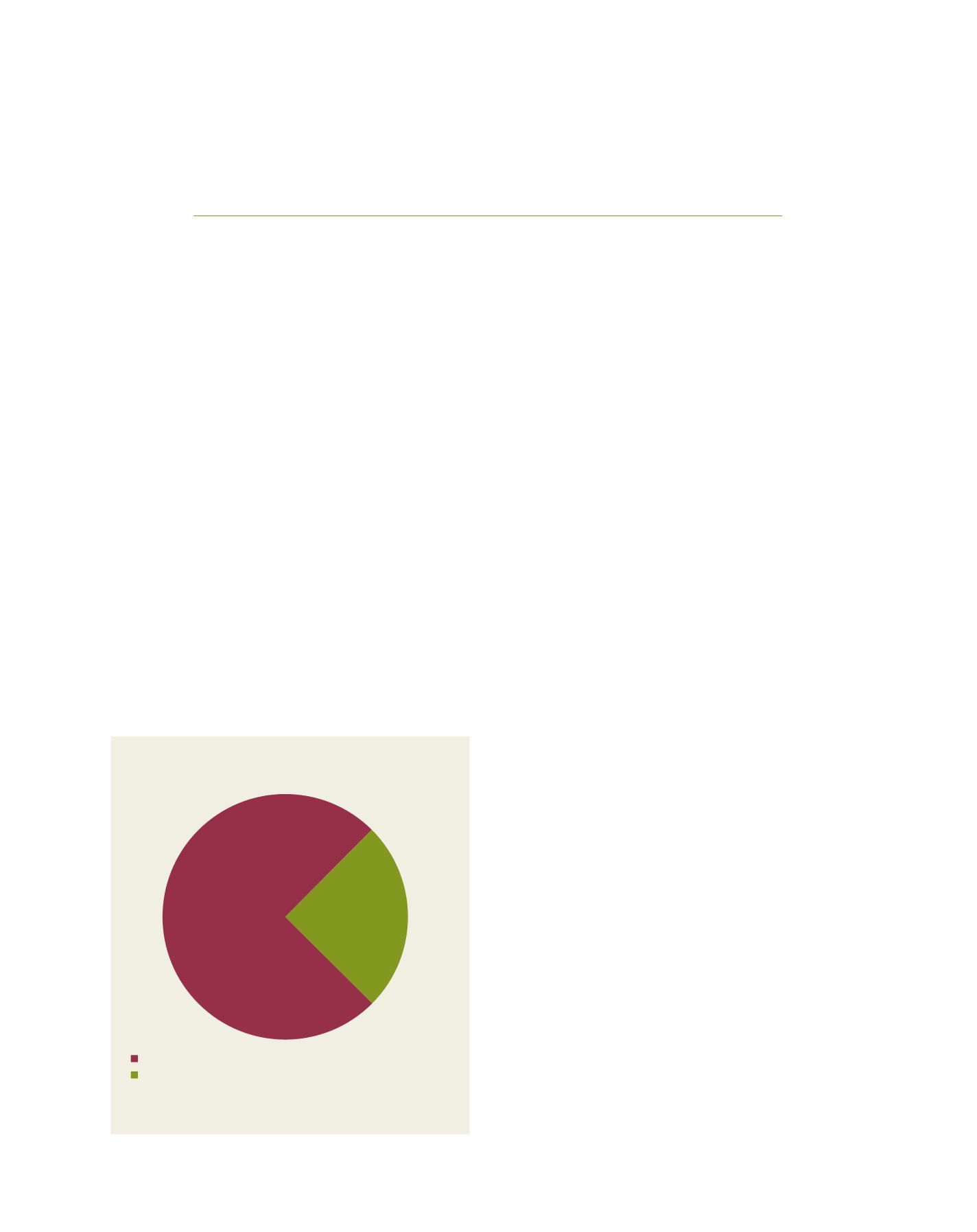
The 2012 Children’s Commissioner’s Expert Advisory
Group on Solutions to Child Poverty report clearly indicates
that the children and families living in poverty in New Zealand
come from a range of ethnic and cultural backgrounds. The
report notes that as many as 25 per cent of New Zealand
children (around 270,000) are currently living in poverty.
However, it also notes that the child poverty rates of M
ā
ori
(and children of Pacific Island descent) are approximately
double that of white New Zealand children, and that M
ā
ori are
much more likely to experience the effects of severe poverty
and have a greater risk of this poverty enduring across their
life course. While child and family poverty is not simply a
M
ā
ori issue in New Zealand, if it is to be reduced the solutions
will need to work for M
ā
ori.
In thinking about the contemporary experience of M
ā
ori
wh
ā
nau, and particularly the interface with poverty, it is
important to recognize the impact of colonization. There is
a tendency to think that the alienation of land has largely
been experienced as a spiritual loss by M
ā
ori because indig-
enous peoples are often represented as having a heightened
attachment to the land. While land and place play an inte-
gral part in M
ā
ori histories, cultural narratives and identity,
they have also had a vital economic role. Thus, the alienation
of land and resources is not only the loss of a cultural and
spiritual base, but also the loss of an economic base. While
there is an extensive body of scholarly literature in this area,
this is reinforced in a recent research report published by
the Families Commission documenting the experiences of
M
ā
ori wh
ā
nau living in financial hardship. It notes that any
analysis of the financial and material deprivation of wh
ā
nau
Children not living in poverty
Children living in a household which receives less than 60 per cent
of the median disposable household income (after housing costs)
270,000 children
25% of population
75%
New Zealand children in poverty
Source: Daniel Patrick, Ng
ā
Pae o te M
ā
ramatanga