


 95 / 168

[
] 95
Good practices in multi-hazard
early warning systems
Maryam Golnaraghi, Chief, Disaster Risk Reduction Programme, James Douris, Consultant and
Charles Baubion, junior professional officer, DRR Division, World Meteorological Organization
E
very year, natural hazards cause significant loss of life and
set back economic and social development by years, if not
decades. From 1980 to 2008, hazards and conditions related
to weather, water and climate accounted for 90 per cent of the total
number of disasters, 70 per cent of the two million casualties, and
75 per cent of total economic losses (source: EM-DAT: The OFDA/
CRED International Disaster Database).
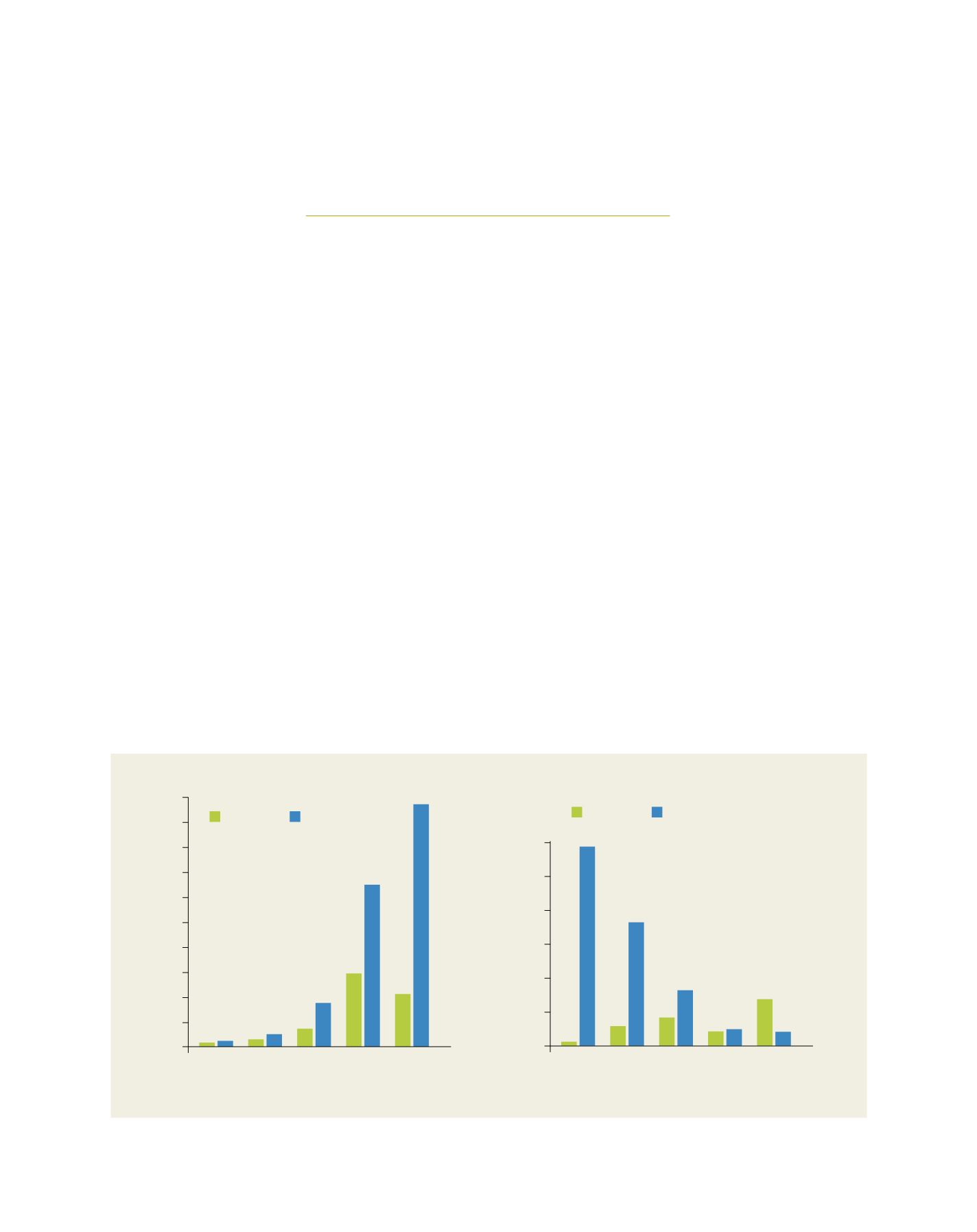
As illustrated in Figure 1, trends in natural hazard impacts over the
last five decades show that despite increasing economic losses, there
has been a decrease in loss of life associated with hydrometeorological
hazards. This has been attributed to the development of effective early
warning systems based on advancements in monitoring and forecasting
of weather-related hazards, combined with effective communication and
emergency preparedness at both national and local levels in a number of
countries with a history of high-impact weather-related hazards.
According to the Fourth Assessment Report of the Intergovernmental
Panel on Climate Change (IPCC), new scientific evidence has
revealed that that the potential risks associated with weather-related
hazards are on the rise due to the increasing frequency and intensity
of droughts, extreme temperatures, severe precipitation and heavy
storms linked to climate change. If countries are chal-
lenged in managing the impacts of current levels of risk,
how can they address the increasing risks associated with
these hazards in the future?
In the last five years, the world has also witnessed a
number of unusual extreme events such as:
• The very severe cyclone storm Gonu that affected
Oman, Iran and the United Arab Emirates in 2007, the
second cyclonic stormmaking landfall in Iran in more
than 100 years since 1898
• Tropical cyclone Nargis, the first such storm to hit
Myanmar in 40 years, resulting in the deaths of over
140,000 people and estimated losses at nearly 3 per cent
of the national GDP for 2008
• Tropical cyclone Catarina, which affected Brazil in
March 2004, the first hurricane-intensity tropical
cyclone ever recorded in the Southern Atlantic Ocean.
The question remains whether these may become more of
the rule than the exception and whether new patterns of
risks are emerging.
2029b
Source: EM-DAT: The OFDA/CRED International Disaster Database
Figure 1: Natural hazard impact trends
Trends in natural hazard impacts over the five last decades show increasing economic losses and decreasing loss of life associated with hydrometeorological hazards
56-65 66-75 76-85 86-95 96-05
0
50
100
150
200
250
300
350
400
450
500
Geological
Hydrometeorological
Billions of USD per decade
Decade
56-65 66-75 76-85 86-95 96-05
0
0.5
1
1.5
2
2.5
3
Geological
Hydrometeorological
Millions of casualties per decade
Decade
Economic losses per decade
Loss of life per decade