


 56 / 196

[
] 54
Working with communities
to Get Ready and Get Thru
John Hamilton, Director, Ministry of Civil Defence & Emergency Management, New Zealand
N
ew Zealand is an island nation in the southwest Pacific
with a reputation for beauty that has long impressed visi-
tors to this country – volcanic peaks and snow-tipped
mountain ranges, rolling bush-clad hills, river plains, sandy bays
and long surf beaches. However, this stunning landscape is as
rugged and dangerous as it is beautiful.
The monumental forces that created it are an ever-present reminder
to New Zealanders of the capability of nature. The constant move-
ment of the Australian and Pacific tectonic plates, responsible for the
elevation of mountain ranges, causes earthquakes and potential
tsunamis. New Zealand’s high density of active volcanoes also poses
the threat of volcanic eruptions and lahars. Additionally, as New
Zealand lies in the ‘roaring forties’ (temperate latitudes between 40
degrees South and 50 degrees South), the country is prone to severe
storms and flooding.
New Zealand hazardscape
Flooding is the most common natural hazard in New
Zealand, although earthquakes, tsunamis and volcanic erup-
tions are potentially the most damaging and disruptive.
Accidental release of a hazardous substance, introduced
organisms and diseases may also affect New Zealand’s envi-
ronment, health and economy; and terrorism could become
a threat to public safety and national security.
New Zealand has a population of 4.23 million with
almost 86 per cent of the population living in urban
areas. Technological hazards and increasing reliance on
key infrastructure all compound New Zealand’s expo-
sure and vulnerability to damage, death and injury, and
social and economic disruption.
New Zealanders have been at risk from a broad range
of hazards in the past. The 1854 measles and 1918
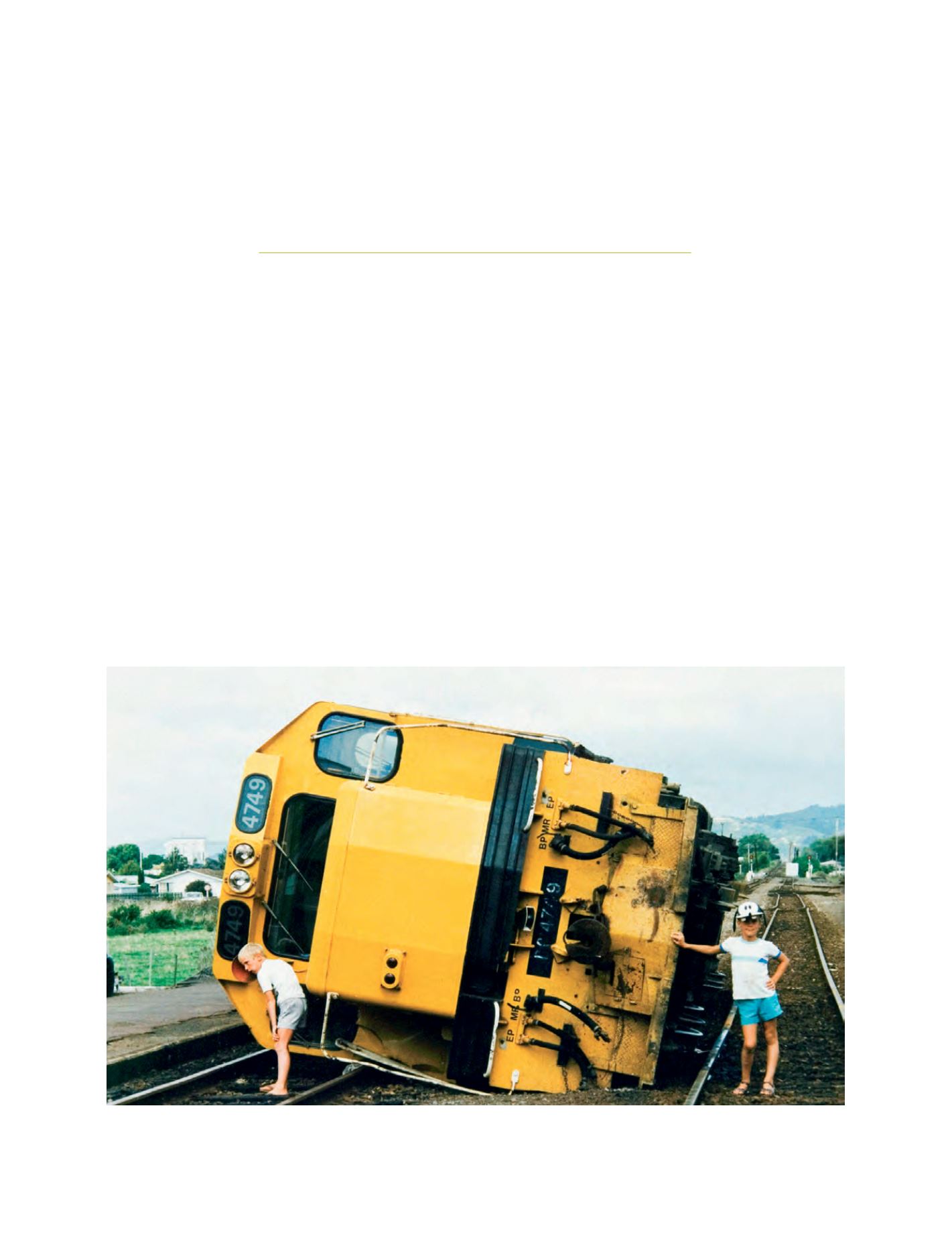
New Zealand records thousands of earthquakes each year with about 150 that are strong enough to be felt. The key message to the public is that ‘it could happen
at any time and without warning’. Photo shows the 1987 Edgecumbe earthquake where 5,000 people had to be evacuated
Image: David Plews, Whakatane