



 22 / 208

[
] 22
Approaching harmony with nature
Barbara Sundberg Baudot, President, Triglav Circle
A
wareness of humankind’s potential for destroying the
natural environment existed in the dawning years of
the industrial revolution. James Madison, the fourth
President of the United States, anticipated today’s major envi-
ronmental challenges and general lack of concern for harmony
with nature. He stands out as a visionary, witnessing the devas-
tating consequences progressive and aggressive agricultural
practices inflict on the natural environment, including erosion
of the soil, deforestation and loss of biodiversity. He offered a
prescient argument for an ecological method of agriculture. In
1818, he observed:
“On comparing this vast profusion and multiplicity of beings with
the few grains and grasses, the few herbs and roots and the few fowls
and quadrupeds, which make up the short list adapted to the wants
of man, it is difficult to believe that it lies with him so to remodel
the work of nature… by a destruction… of entire species, with the
few exceptions which he might spare for his own accommodation.”
1
Madison challenged assumptions that natural
resources were inexhaustible and foresaw vital ecosys-
tems being reduced to vast wastelands by the relentless
plundering of these reserves. He emphasized the inter-
connections between humans, plants, and animals and
vehemently advocated protecting the earth’s rich diver-
sity of life. It was imperative that ecological balance
be maintained between all forms of life even when the
economic utility of some species was obscure.
Failing to heed Madison’s forewarnings and those
of subsequent advocates for the environment, human-
ity now encounters imminent ecological catastrophe.
Currently, 7 billion people inhabit the Earth, seven
times more than in 1818. People and domesticated
animals make up about 90 per cent of the vertebrate
mass and have modified nearly 80 per cent of the plan-
et’s land surface. Both clean air and safe drinking water
are increasingly threatened, while thousands of species
of flora and fauna are effectively extinct. According to
the Stockholm Environment Institute,
2
the three gravest
threats to nature today are climate change, nitrogen use
and loss of biodiversity, which are attributed to human
transgressions of planetary boundaries.
Such awareness has not been matched by sufficient
corrective action by the world community despite the
initiatives by a number of goverments and international
institutions.
In 1980, an extensive report by the International
Union for Conservation of Nature and the World
Wildlife Fund, in conjunction with the United
Nations Environment Programme and in collaboration
with the United Nations Educational, Scientific and
Cultural Organization and the Food and Agricultural
Organization of the United Nations, prefaced the
General Assembly (GA) debate and adoption of the
World Charter for Nature in 1982.
3
The Charter
affirmed that ‘mankind is part of nature’, that ‘civiliza-
tion is rooted in nature’, and that ‘living in harmony
with nature gives man the best opportunities for the
development of his creativity’.
4
It denounced ‘excessive
consumption and misuses of natural resources,’ and
formulated general principles, functions and methods
of implementation to promote ‘respect for nature and
its essential processes’.
5
This Charter and with it, the
concept of harmony with nature, largely disappeared
from international discourse until 2005. Neither the
United Nations Conference on Environment and
Development and its follow-up in Johannesburg, nor
the major policy-setting texts adopted by the United
E
nvironment
:
legal
and
ethical
issues
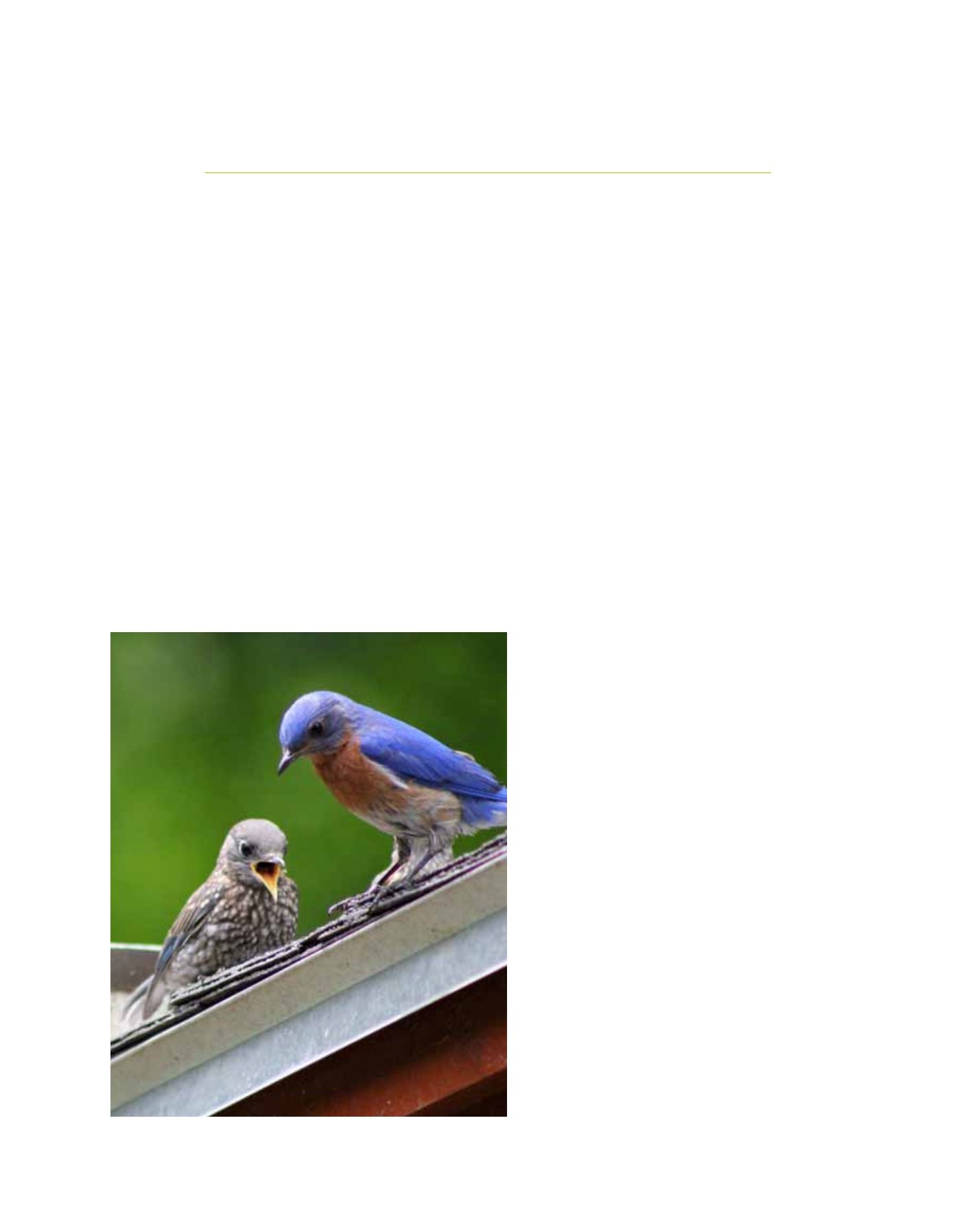
Scientists are unable to predict more than a fraction of nature’s behaviour
Image: Barbara Sundberg Baudot