


 149 / 196

[
] 147
worked well, for example the outbreak was quickly
spotted and immediately investigated. Assessments of
the infrastructure for responding to outbreaks suggest
that surveillance networks in many other locations may
not be as well prepared, particularly in integrating public
and environmental health data.
There is a clear need for the detection of adverse
natural resource responses such as disease and mortal-
ity, which may serve as an early warning system to better
protect environmental health. The objective of this study
is to define a process for developing a natural resource
Environmental Surveillance Network (ESN) that will
provide horizontal integration of existing natural
resource databases into an early warning detection
system for unusual mortality and disease events in
natural ecosystems.
Background and need
The integration of numerous state and federal environ-
mental surveillance monitoring efforts into an integrated
database resulted from discussions among state and
federal agencies involved in assessing State of South
Carolina deficiencies in detection of chemical and
biological threats associated with bioterrorism threats.
The ESN was created as an outgrowth of a series of table-
top style preparedness workshops built around
biological incidents in coastal environments. These
workshops included the following scenarios:
• A disease outbreak on a cruise ship with sick
passengers thought to be affected by ricin, which
was later identified as Norwalk Agent Virus. The
ship was attempting to dock in the Port of
Charleston, South Carolina
• A dirty chemical nuclear bomb explosion in a
downtown Charleston Marina aboard a hijacked
fishing vessel
• An avian flu outbreak caused by a docking ship of
foreign registry in the port of Charleston.
viruses or other disease-causing agents that might be used in biolog-
ical agent bioterrorist attacks. The length of time it can take to
connect the bird and human outbreaks of the West Nile virus signals
a clear need for better coordination among public and environmen-
tal health agencies.
6
One key lesson that emerged from the West Nile
disease outbreak investigation was the importance of local disease
surveillance and response systems. Surveillance involves the ongoing
collection, analysis, and interpretation of health-related data. In the
West Nile outbreak, many aspects of the local surveillance system
Participant
NOAA Center for Coastal Env. Health & Biomolecular Research
SC Department of Health and Env. Control (DHEC)
SC Department of Natural Resources (DNR)
United States Geological Survey (USGS)
SC Veterinarians Office
DHEC/State Law Enforcement Division (SLED)
SC Emergency Preparedness
USC Center for Public Health Preparedness
NOAA NESDIS National Coastal Data Development Center (NCDDC)
Operation Sea Hawk Department of Homeland Security (DOJ)
DOE Savannah River National Laboratory
Environmental database contribution to the ESN
Phytoplankton monitoring network and marine mammal strandings
Fish kills
Fish kills and bird/wildlife mortalities
Water level and water quality network
Domestic/companion animal and wildlife surveillance
Coordination with DHS under SLED
Coordination with state emergency preparedness
Coordination role – public health preparedness
Data management architecture
Future member
Future sensor development
List of charter ESN participants and the natural resources mortality or environmental databases they regulate or manage
Source: University of South Carolina Center for Public Health Preparedness
Event Report
Standardized format
Agency Specific database
ESN Network
Network Notification
Convene Network via
REACH
Compare and Assess Event Report
Other Events
Reporting
Entities Discuss
EMD Request Support
Return to
Monitoring Status
Discuss Restortaion
Reporting Sources
Reporting Sources
Event
Significance
Analyses
Notify EMD
Alert EMD
Return to Monitoring Status
Yes
Plan Needed?
Develop
Restoration
Plan
Yes
Yes
No
No/END
If2
If > 3
No/END
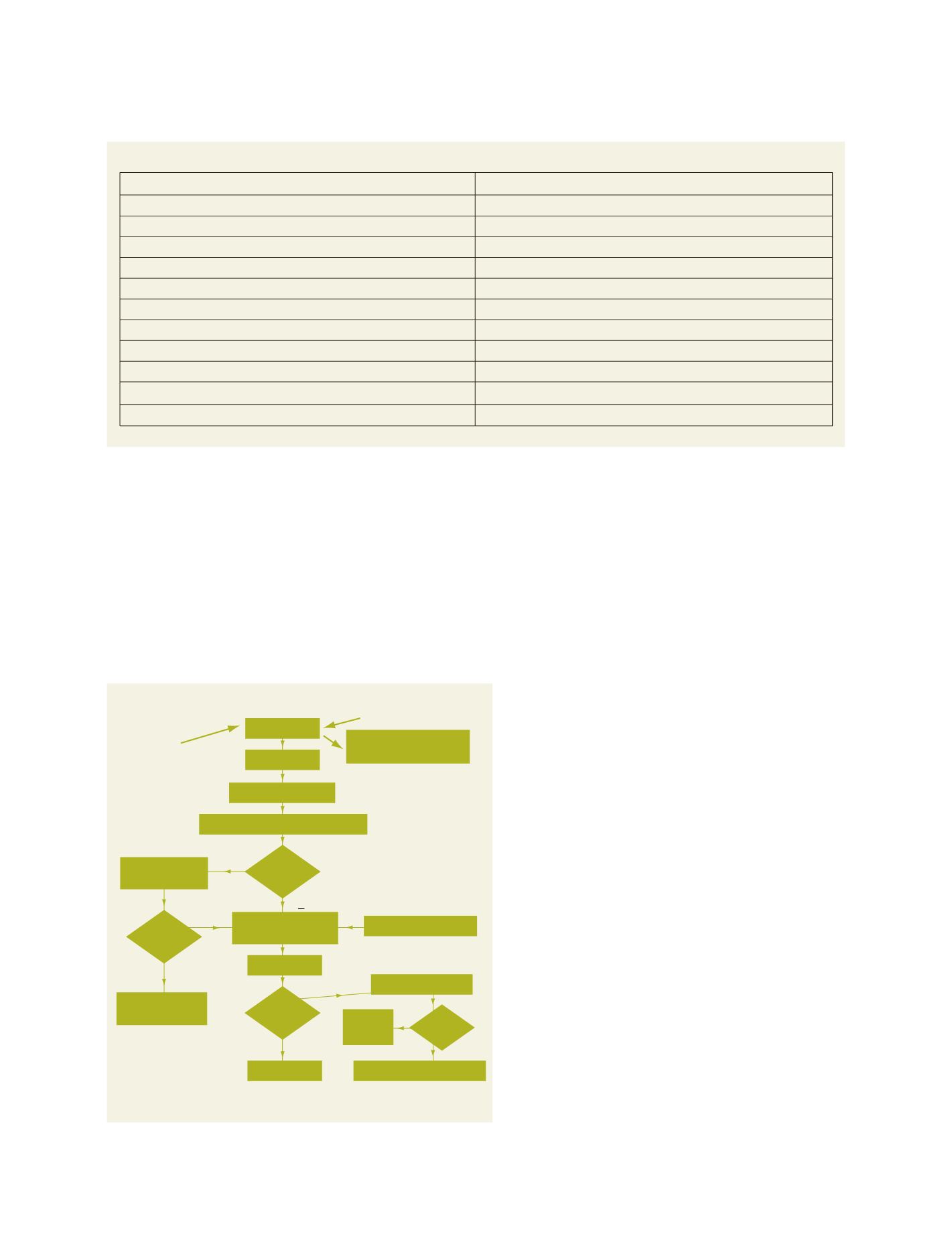
The environmental surveillance network
Source: University of South Carolina Center for Public Health Preparedness
Communication tree for the ENS including notification and alerts