


 132 / 210

[
] 130
C
onfronting
F
amily
P
overty
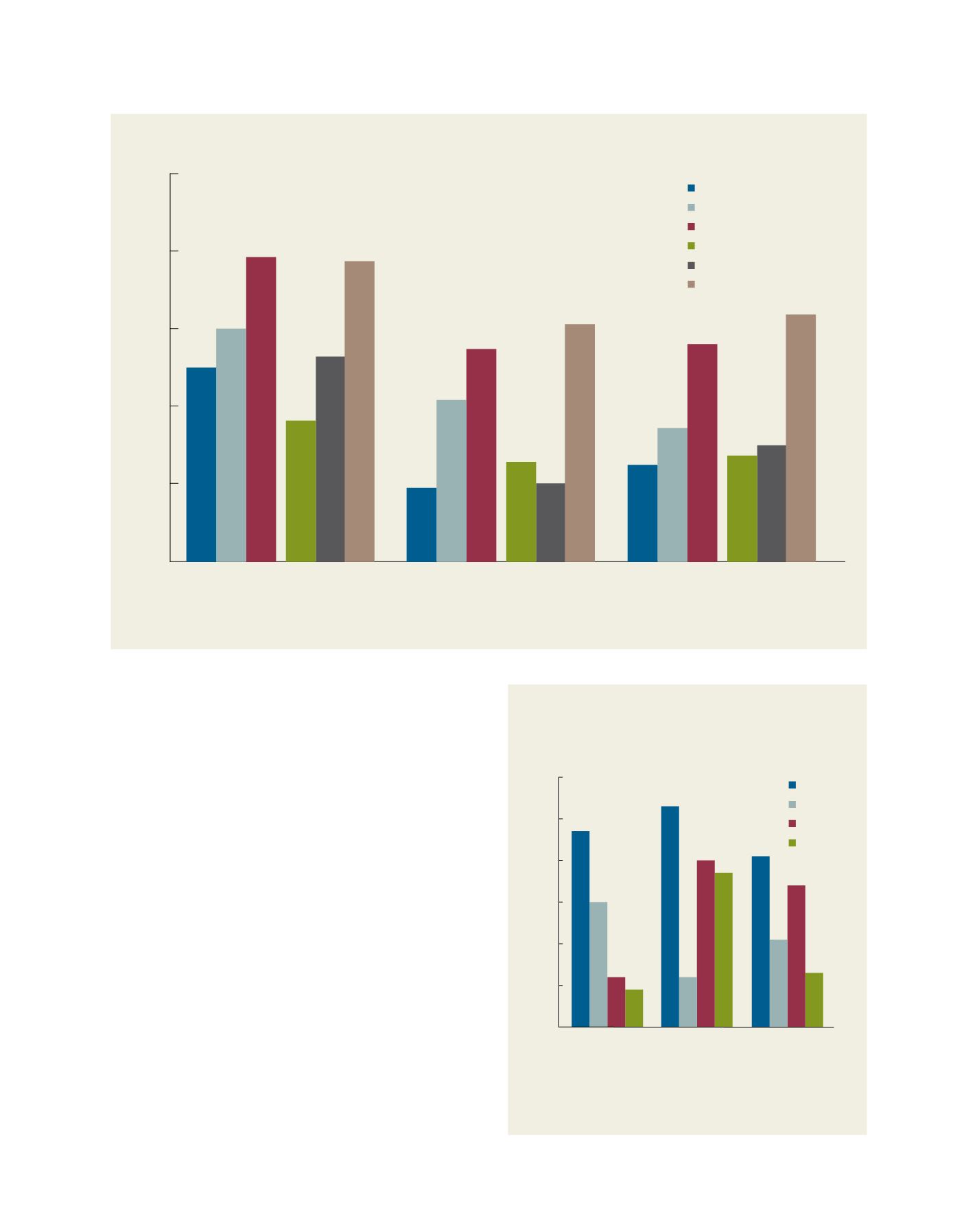
tend to experience a deeper level of hardship as they are
more likely to forgo basic material and health needs than
other low-income Israelis. This may be due to the perva-
sive effects of intergenerational poverty, along with more
limited social and community support networks, among
Arab-Israelis versus the Haredim.
To complement Israel’s policies to promote birth rates and
support working mothers, Israel should actively undertake
policies that address the root causes of poverty. One key
focus area – though by no means the only one – should
be an upgrading of Israel’s human capital. This includes
implementing a mandated core curriculum through the
end of high school (not eighth grade as is common practice
within state-funded Haredi schools), substantially improv-
ing the quality of the core curriculum in all schools (not
just the Haredi ones), and aligning education to match the
competencies required for effective workforce integration.
Emphasis should also be placed on encouraging higher
education, creating sufficient labour market opportuni-
ties and addressing discriminatory employment practices
against Arab-Israelis. Finally, Israel’s welfare system should
be structured to encourage and facilitate employment, while
providing a strong safety net to ensure the well-being of
those unable to work. These efforts are critical to ensuring
that Israel continues to be characterized as a family-oriented,
yet modern and economically developed society.
Per cent forgoing basic and medical needs among the lowest income quartile, 2007
Source: Haya Stier and Alisa Lewin, Taub Center (2013)
Arab Israelis
Non-Haredi* Jews
Haredim*
*Haredi/m are ultra-Orthodox Jews
0
20
40
60
80
100
47
60
78
77
37
53
18
41
55
61
26
21
25
35
56
63
29 32
Heating or cooling
Medical care
Drugs
Dentist
Food
Electricity or phone
Per cent
0
10
20
30
40
50
60
*Possible sources to immediately raise 5,000 New Israeli Shekels
(approx US$1,400); self-reported
**Haredi/m are ultra-Orthodox Jews
Arab Israelis
47
30
12
9
53
40
37
41
21
34
13
12
Non-Haredi** Jews
Haredim**
Relatives
Friends
Children
Parents
Per cent
Potential sources of urgent financial support
for Israelis in the lowest income quartile* by
population groups, 2009
Source: Haya Stier and Alisa Lewin, Taub Center (2013)