


 156 / 210

[
] 154
E
nsuring
W
ork
-F
amily
B
alance
engage more in unpaid work, such as in Denmark, Sweden
and Norway also have higher female employment rates.
Tax and benefit systems often provide financial incentives for
one parent to stay at home when children are young. Usually,
this is the mother, which makes financial sense from a household
perspective as she often earns less than her partner. Inmany coun-
tries, fathers’ leave to care for children is limited to a few days
around childbirth. However, in a number of countries including
the Nordic countries but also Austria, Belgium, Germany, Italy,
Luexemburg and Portugal, policy encourages fathers to take leave
to care for young children by granting them the exclusive right to
part of the parental leave entitlement on a ‘use it or lose it’ basis
or provide ‘bonus’ months when couples share leave entitlements
while to a varying degree providing income support during the
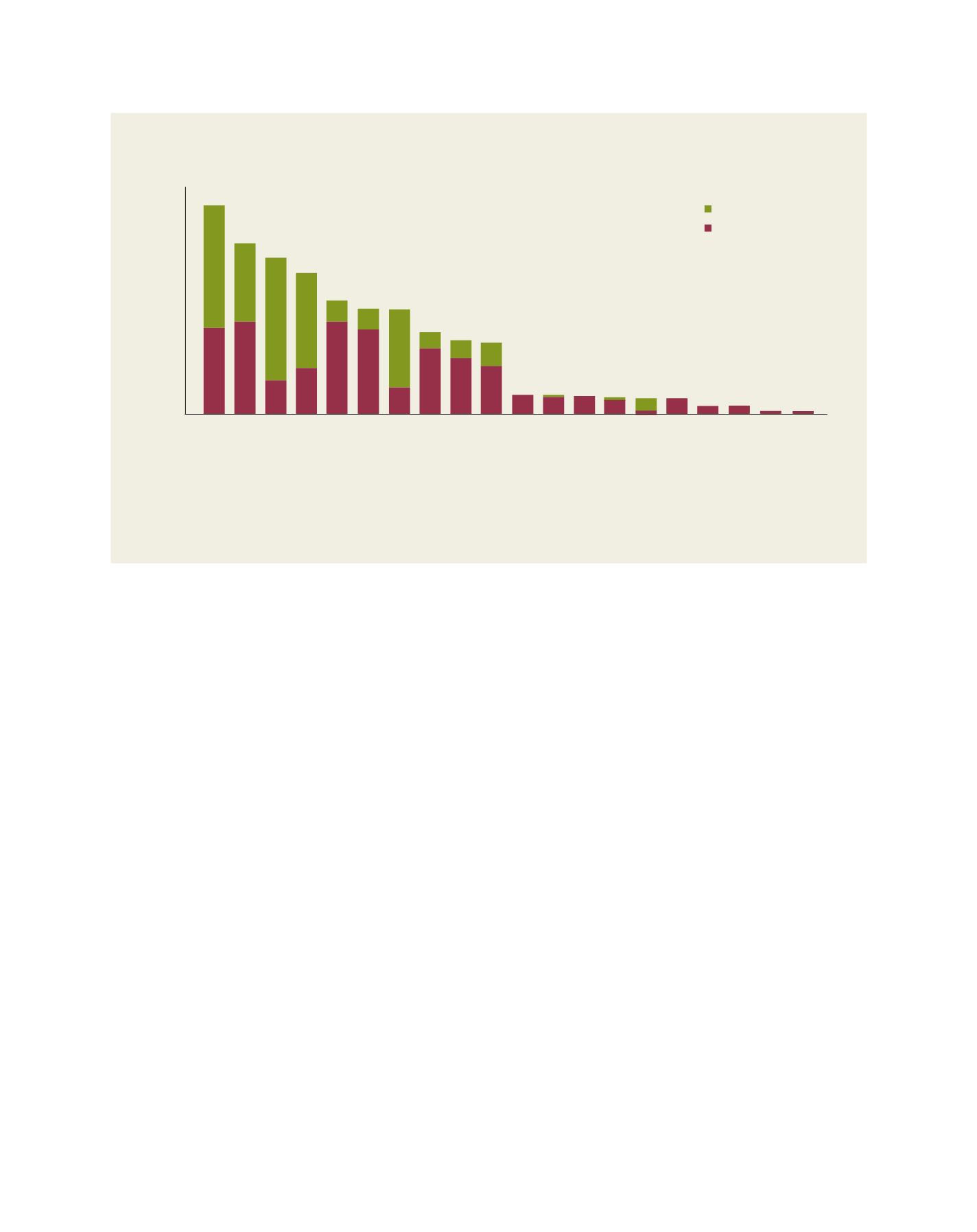
leave period. For example, in Portugal the first eight weeks of
leave for fathers are paid at 100 per cent of earnings, while the
supplementary leave period of 13 weeks is paid at 25 per cent: on
average almost 54 per cent of last earnings is paid across the whole
period of leave. In Iceland, fathers are entitled to three months of
paid leave at 75 per cent of earnings up to a threshold. Since the
introduction of these ‘daddy months’ in 2001, take-up by fathers
has increased tenfold. Iceland will continue with reform, as it is in
the process of gradually increasing the period of fathers’ leave from
three months in 2013 to five months in 2016.
Employers and unions can also help reconcile work-family
life balance. Having a family-friendly workplace can motivate
current staff, reduce staff turnover and sickness absenteeism,
help attract new staff, reduce workplace stress and generally
enhance worker satisfaction and productivity. As such, there is
a business case for family-friendly workplace supports, which
is strongest for workers who are difficult to replace and when
flexible workplace arrangements least affect the production
process, but much less prevalent for small and medium-sized
enterprises. Unions can play a stronger role in improving the
provision of family-friendly work practices, but either they lack
bargaining power or they do not prioritize demands in this area.
Parents across the globe are under pressure to combinework and
family commitments, and policy aims to support families bymeans
of financial support, parental leave, formal care arrangements and
flexible workplace practices. Ideally, these policymeasures should
logically fit together into a continuum of support without gaps.
Family policy investment will be most effective if it starts during
the early years and is sustained throughout childhood: such a strat-
egy also has the potential to ensure high social rates of return and
help avoid more costly interventions later in life.
Childcare policy has an important role to play as it can simulta-
neously contribute to all the underlying family policy and gender
equity objectives. Policy should ensure that affordable, good
quality childcare – with support being conditional on quality
standards – is available to assure parents that their children are
being looked after properly and enhance child development.
Government should encourage all employers to offer
part-time employment opportunities, flexibility in working
hours and gender-equitable parental leave to all employees.
Government should also promote gender-equitable use of
part-time work opportunities and parental leave entitlements.
This can be done through a mix of flexible use of leave, cover-
ing shorter periods but better paid, and providing leave for
fathers that cannot be transferred to mothers. Getting fathers
to do more unpaid work and enabling more low-income
families to use formal childcare are among the important chal-
lenges facing gender equitable family policy today.
Total weeks of paid paternity/parental leave available to fathers which cannot be transferred to partners
In some countries fathers are entitled to a couple of months of paid leave to care for children
Source: OECD (2014a), OECD Family database
Luxemburg
Portugal
Belgium
Italy
Norway
Iceland
Austria
Sweden
Finland
Germany
Spain
Slovenia
France
Denmark
United Kingdom
Estonia
Poland
Hungary
Netherlands
Weeks
0
5
10
20
25
15
Total weeks of paid leave
Average payment rate
Greece
Note: Average payment rates: for example, in Portugal the first 8 weeks of leave for fathers are
paid at 100% of earnings, while the supplementary leave period of 13 weeks is paid at 25%:
on average almost 54% of last earnings across the whole period of leave