



 181 / 208

[
] 181
E
nergy
access
,
efficiency
and
sustainability
energy offers many advantages, but requires the address-
ing of safety and proliferation problems associated with
enrichment, reprocessing and high-level waste storage.
Therefore, this energy source is not expected to meet
the majority of global base-load electricity needs.
The main alternative to burning fossil fuels, with
no carbon emissions, is nuclear energy. Atomic fusion
power is the power generated by nuclear fusion proc-
esses. In fusion reaction, two light atomic nuclei fuse
together to form a heavier nucleus in contrast with
fission reaction. In doing so, the reaction releases a
comparatively large amount of energy arising from
the binding energy caused by the strong nuclear force,
which is manifested as an increase in temperature of
the reactants. The term ‘fusion power generation’
is commonly used to refer to potential commercial
production of net usable power from a fusion source,
similar to the usage of the term ‘steam power genera-
tion’. The leading designs for controlled fusion reaction
use either magnetic or laser inertial confinement of a
plasma, with heat from the fusion reactions used to
operate steam turbines, which in turn drive electrical
generators, similar to the process used in fossil fuel and
nuclear fission power stations.
Hybrid fusion-fission nuclear power was proposed
in 1979 by the American Nobel Laureate Hans A.
Bethe. It uses more widely available reserves of nuclear
fuels than uranium, such as thorium, for power gener-
ation. Thorium is more abundant and carries less risk
of nuclear proliferation problems. This would result in
severe energy crisis, climate and ecosystem changes due to global
warming, and water and food contamination. The whole world
faces tremendous challenges to close the gap between projected
energy demand and the known supply of sustainable, carbon-
free, affordable energy. Today, about 80 per cent of the world’s
total primary energy demand is met with fossil fuel, which emits
significant quantities of the greenhouse gas carbon dioxide into the
atmosphere. Safe, environmentally sustainable and commercially
viable sources of energy with an inherent security of supply and
the capacity to meet the base level of the world’s demand are vital
to modern civilization.
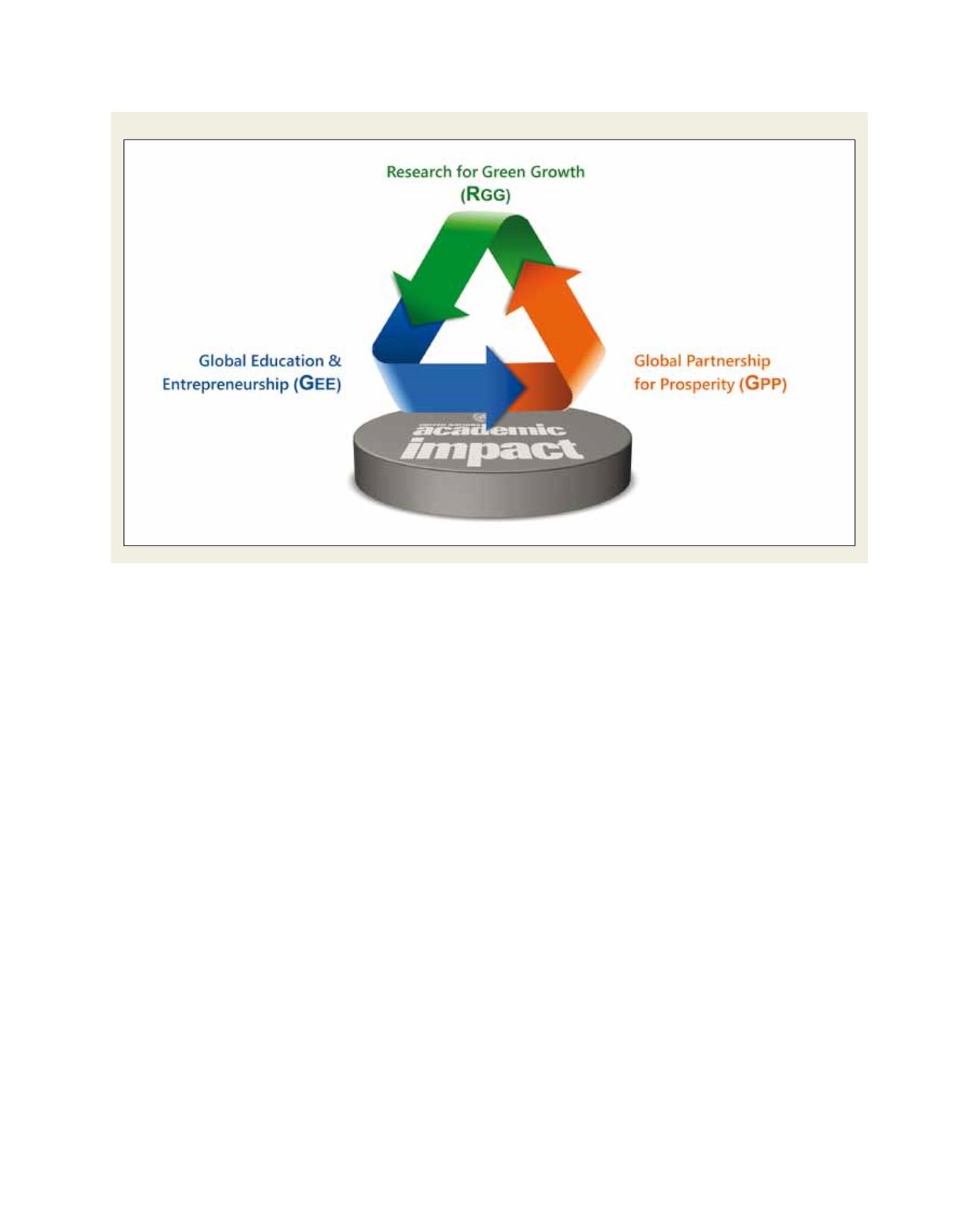
As ecological destruction has a uniform effect on the whole globe,
it requires global awareness, and green technology development
needs to be pursued as a global project. Green growth offers us a
way to maximize the synergistic outcome of protecting the green
environment and growing the global economy. Sustainable devel-
opment emphasizes a holistic, equitable and far-sighted approach
to decision-making at all levels. It emphasizes not just strong
economic performance, but also intragenerational and intergenera-
tional equity. Its success rests squarely on integration and a balanced
consideration among social, economic and environmental goals and
objectives in the decision-making process, both in the public and
private sectors.
Mankind is now on a quest for new energy sources; this is a search
for the holy grail of the ultimate renewable energy of the future –
one that can meet the base-load demand as well as environmental
concerns. Renewable energy sources such as solar, photovoltaic,
wind and hydro power will play an essential role in meeting this
challenge, but they require huge storage capacity or available land to
meet the base-load power requirements of most countries. Nuclear
The United Nations Academic Impact Global Hub for Capacity Building
Source: Handong Global University