


 36 / 156

[
] 36
I
N
I
NDIA
,
PERSONAL
, household and small business assets are
often unprotected against disasters. Relief and rehabilitation often
rely on aid to cover the costs, but support from outside entities
is often unpredictable – this makes it difficult to replace the damaged
assets of the poor, thus making recovery difficult. Groups that fail to
recover are more vulnerable to subsequent disasters.
Insurance covers many losses but is often unavailable to the
poor due to the high transaction cost to affordable premium ratio.
Microinsurance has emerged in a policy environment that has
made recent progress towards disaster risk reduction. Recent
insurance regulatory reforms within the Indian Government and
the prioritization of risk reduction by the UN ISDR, the
ProVention Consortium, and DFID have contributed to the viabil-
ity and advancement of microinsurance for the poor.
Afat Vimo
(Gujarati for ‘disaster insurance’) was born in this envi-
ronment as a product of the All India Disaster Mitigation Institute
(AIDMI). Demand for the
Afat Vimo
product has been growing,
and currently covers more than 5,500 small businesses.
Due to a combination of high exposure to natural hazards and
high human vulnerability, South Asia perennially experiences signif-
icant losses to disasters. Present studies estimate that more than 90
per cent of the Indian population does not benefit from any kind
of social protection.
1
Despite high and steady growth in the country,
the cycle of disasters and vulnerability deprives many millions of
poor of the human development that might have accompanied such
growth. Within Asia, 24 per cent of deaths due to disasters occur
in India because of its size, population, and vulnerability.
2
Since
2004 alone, India has faced two major disasters – the Indian Ocean
tsunami and the South Asia earthquake. The tsunami killed over
10,000 people in India, and the earthquake over 2,000.
Each year, India suffers disaster losses of USD1 billion accord-
ing to World Bank studies.
3
On average, direct natural disaster
losses amount to two per cent of India’s gross domestic product
and up to 12 per cent of central government revenues.
4
These
estimates do not fully include losses incurred by informal sector
businesses and workers, which constitute a major proportion of
India’s economy. The Calamity Relief Fund of the Government
of India spends USD286 million towards providing relief to the
victims of disasters. Over the past 35 years, India has suffered
direct losses of USD30 billion. Losses are also increasing: USD9
billion of direct losses were suffered between 1996 and 2000
alone.
5
The 2001 Gujarat earthquake caused losses of USD2.7
billion.
6
The price tags of the tsunami and South Asia earthquake
are surely enormous but are yet to be seen.
Assuming that the impact of natural disasters remains at this level
(and many estimates predict an increase), how will India cope, let
alone use the benefits of economic development to uplift the
millions of poor? Poor countries are the most adversely affected by
natural hazards, and the poor within those countries face the great-
est difficulties. Their small but important assets are often unsecured,
and their financial risks are not spread across insurance markets.
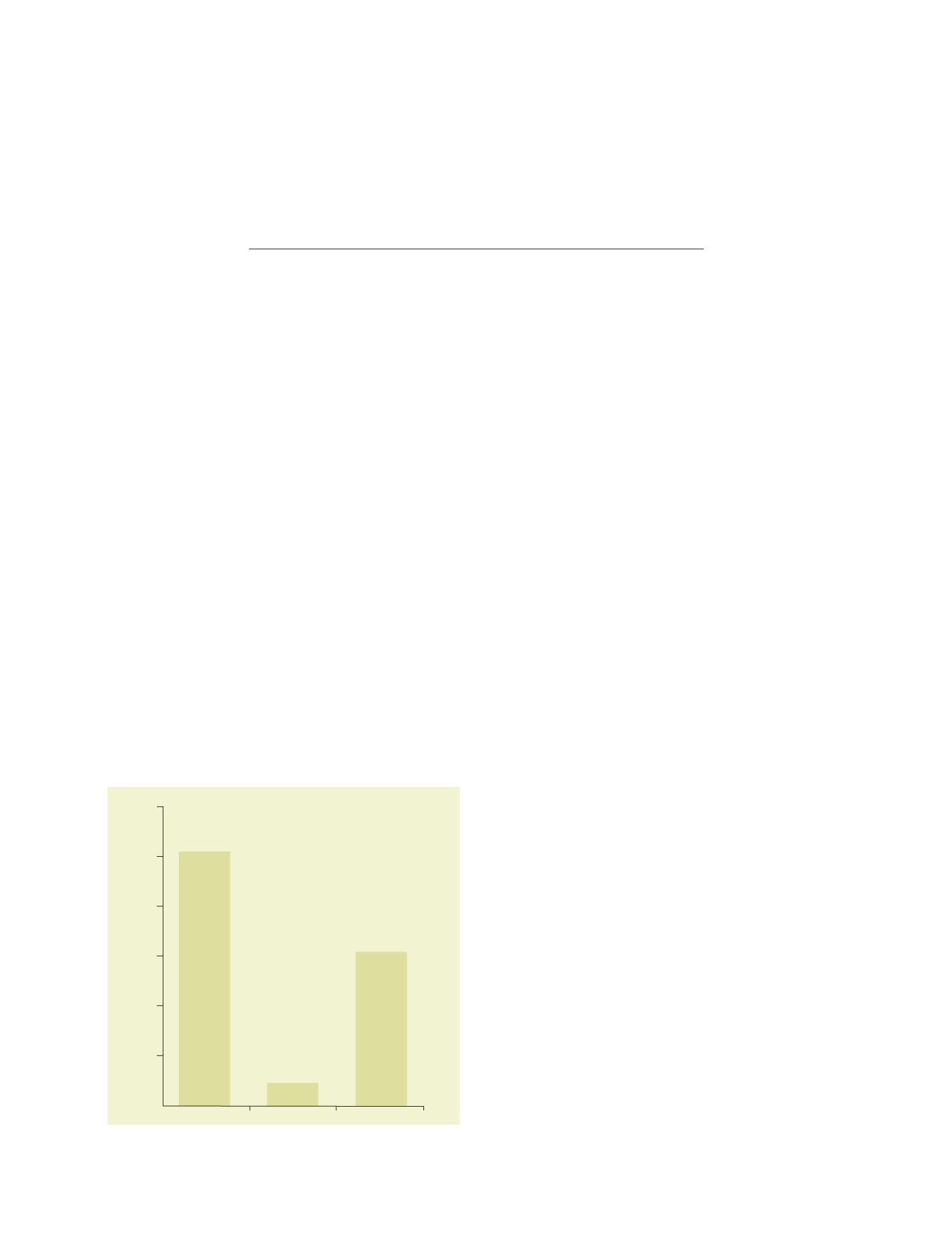
According to the Munich Re Group’s Annual Review:
Natural
Catastrophes 2005
, the proportion of disaster losses in 2005 covered
by insurance were 51 per cent for the Americas and 30 per cent
for Europe. Over the same period, only five per cent of losses in
Asian countries were covered by insurance. Even within Asia, it is
mostly the wealthy that purchase and use insurance.
It has been the experience of AIDMI that the poor, especially
the poor amongst disaster victims, are repeatedly exposed to and
affected by disaster. Their access to vital financial services is also
perpetually restricted. This increases vulnerability to future disas-
ter-induced loss, and impedes sustainable recovery and long-term
development. AIDMI has found that for the most vulnerable
sectors of society, there is a substantial lack of viable options for
reducing and transferring risk. This is true before disasters, but
particularly acute during relief provision.
Taking risk off the backs of the poor:
Afat Vimo
disaster insurance
Mihir R. Bhatt with Mehul Pandya and Tommy Reynolds
All India Disaster Mitigation Institute
America
10
0
20
30
40
50
60
Asia
Europe
Percentage covered
Percentage of 2005 disaster losses covered by insurance
Source: Munich Re (2006). Topics Geo. Annual Review: Natural Catastrophes 2005