



 144 / 208

[
] 144
S
ustainability
P
olicies
, P
rogrammes
and
their
E
conomic
I
mpact
Paying for ecosystem services is a relatively recent
approach to natural resource management and is pref-
erable from a societal point of view. It is already in use
in Sweden and elsewhere. One example comes from
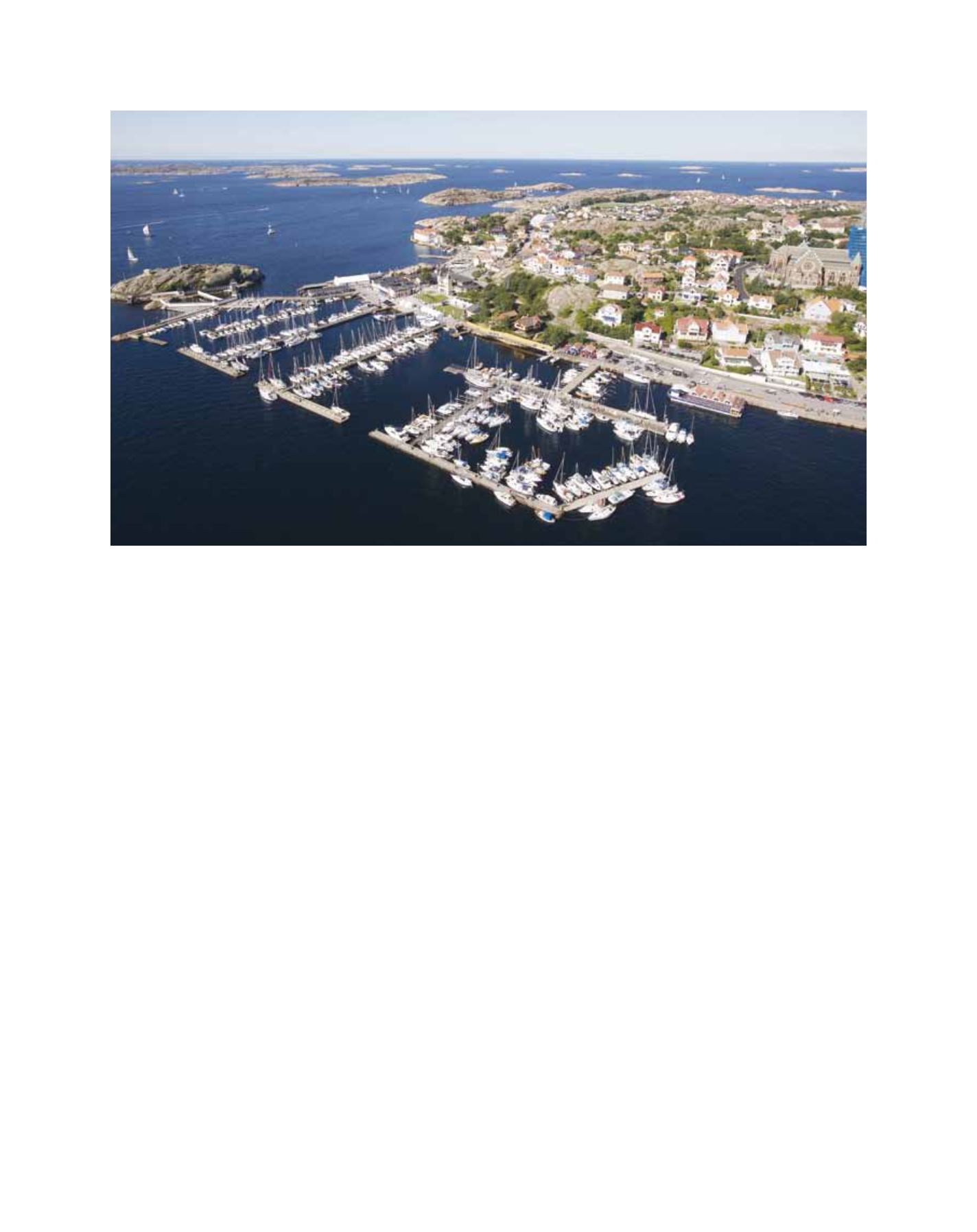
the Lysekil municipality on the west coast of Sweden.
Instead of adding a nitrogen purification unit to its
sewage disposal plant, an agreement was signed with
a clam farmer, who now is now paid by the municipal-
ity for each ton of nitrogen absorbed by the harvested
clams. This means the clams are delivering an ecosystem
service that is paid for by water and sewage consum-
ers. The service paid for under this agreement is water
purification, which means Lysekil saves an estimated
€100,000 each year, compared to the cost of purifying
water through the sewage disposal plant.
Another example is Söderhamn, in mid-Sweden,
which established a wetland attached to a sewage
disposal plant, as part of a Government investment
programme. This resulted in reduced nitrogen and
phosphorus emissions at a cost lower than it would
have been to extend the plant.
Compared to other countries, Sweden has very
good access to high-quality water. This is partly due
to natural conditions and low population pressure, but
also partly due to long-term environmental policies and
efforts. Nonetheless, emissions from a large number of
sources still cause serious environmental problems,
for instance, in the form of nutrients from households
and farms. These problems affect both freshwater and
oceans. To maintain high-quality water resources in
• The business sector – business has a decisive role in mobilizing
resources, creating employment, upholding corporate social
responsibility and promoting new ideas and perspectives. The
expertise, resources and innovative nature of this sector need
to be tapped further. Cooperation between private and public
sectors requires more development
• Trade and sustainable development – the participation
of developing countries in the international processes of
environmental and climate standardization and certification
will facilitate increased market access for sustainable products
and services. More efficient use of resources in production and
consumption are preconditions for sustainable development.
These are some of the areas where Sweden would like to see rapid
progress at the international level, but the country is also active in
promoting sustainable development both at home and with part-
ners abroad. The Swedish example shows that economic growth
and reduced greenhouse gas emissions are compatible. From 1990
to 2007, Sweden reduced its emissions by 12 per cent, while experi-
encing constant economic growth over the same period. Important
factors behind this example include increased energy-use efficiency
and greater use of renewable energy sources. New and even more
ambitious targets have now been set in these and other areas of a
combined energy and climate policy.
Paying for ecosystem services
Put simply, ecosystem services are all those benefits society obtains
from nature. Wood from forests and food from the fields are obvious
examples. The capability of ecosystems to clean or neutralize emis-
sions is another.
The Lysekil municipality at the west coast of Sweden compensates clam farmers financially for nitrogen and phosphorus purification – an example of the
pricing of an ecosystem service
Image: Dan Ljungsvik